

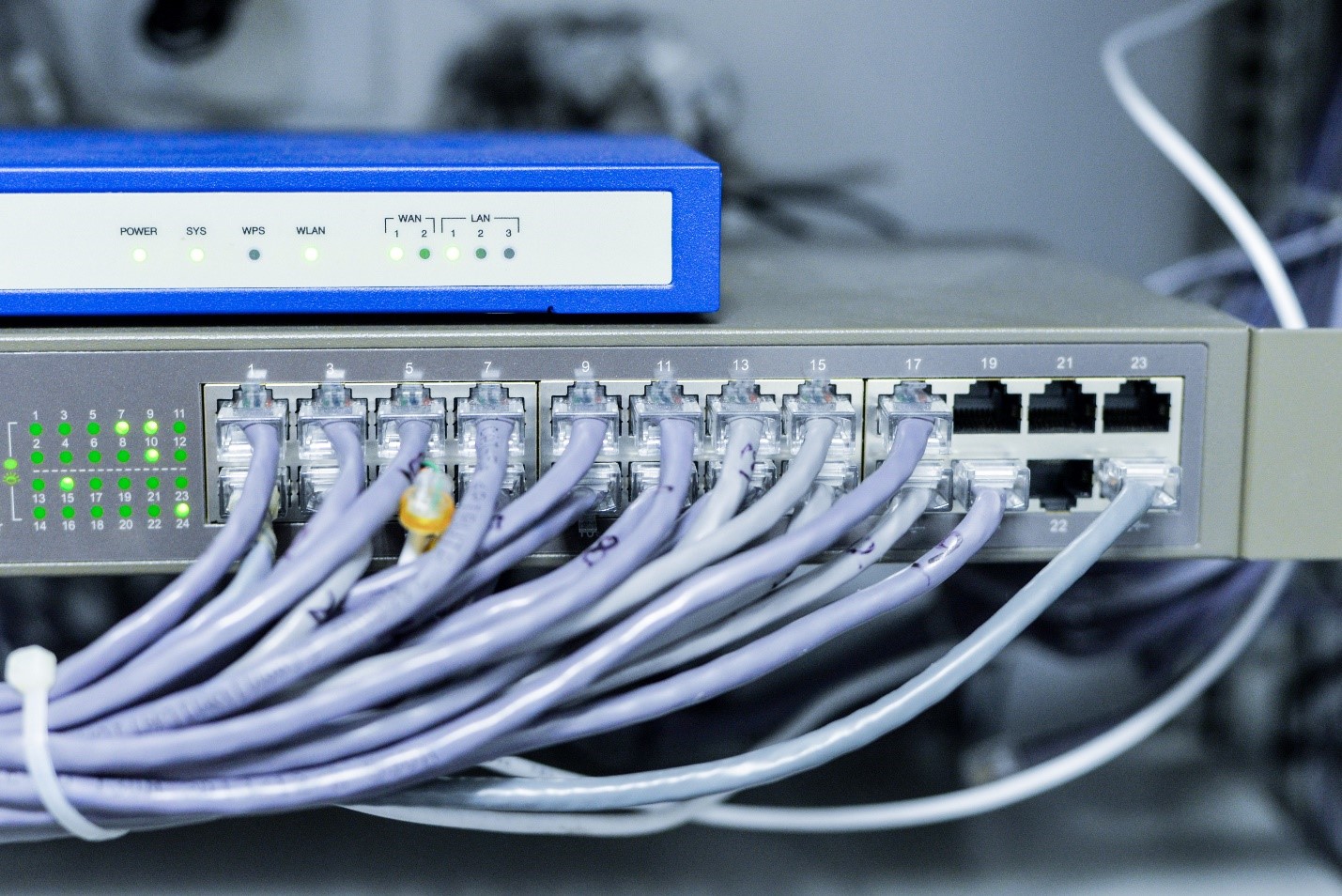
Structured Cabling for Offices in HK: In today’s fast-paced business environment, a reliable and efficient IT infrastructure is no longer a luxury—it is a critical component of operational success. Offices in Hong Kong face unique challenges due to high-density workspaces, increasing data demands, and the need for advanced connectivity. Many businesses still rely on traditional or unorganized cabling systems, which can cause slow internet speeds, frequent network disruptions, and high maintenance costs.
Structured cabling is the backbone of modern office IT infrastructure. It provides a well-organized, scalable, and future-ready network that supports computers, VoIP systems, high-speed Wi-Fi, security systems, and IoT-enabled devices. Beyond technical reliability, structured cabling helps offices in Hong Kong improve productivity, operational efficiency, and overall employee satisfaction.
This guide explores the benefits of structured cabling for offices in HK, detailing how it supports modern technologies, reduces costs, and serves as a strategic investment for businesses seeking long-term growth and stability.
1. Introduction
Hong Kong is a bustling hub of business activity, hosting everything from small startups to large multinational corporations. The city’s offices depend heavily on digital technology to run daily operations, manage internal and external communications, and ensure seamless collaboration. Cloud computing, video conferencing, VoIP communication, and smart office devices have become indispensable in this landscape.
However, many offices encounter frequent network problems due to outdated or unstructured cabling systems. These issues can result in slow connectivity, data packet loss, and frequent service interruptions, which directly impact productivity and business efficiency. For offices in Hong Kong, where competition is high and every minute counts, such disruptions can be costly.
Structured cabling offers a systematic solution. It provides a standardized framework for all network connections, ensuring that cables are organized, easily managed, and capable of supporting current and future technology needs. Unlike traditional cabling, which can become tangled and difficult to troubleshoot, structured cabling simplifies maintenance, improves reliability, and allows for quick expansion or reconfiguration as business requirements change.
Investing in structured cabling is particularly valuable in Hong Kong due to limited office space and high workforce density. With structured cabling, IT teams can maintain efficient network performance, scale their infrastructure as needed, and provide employees with seamless access to essential digital tools.
2. What is Structured Cabling?
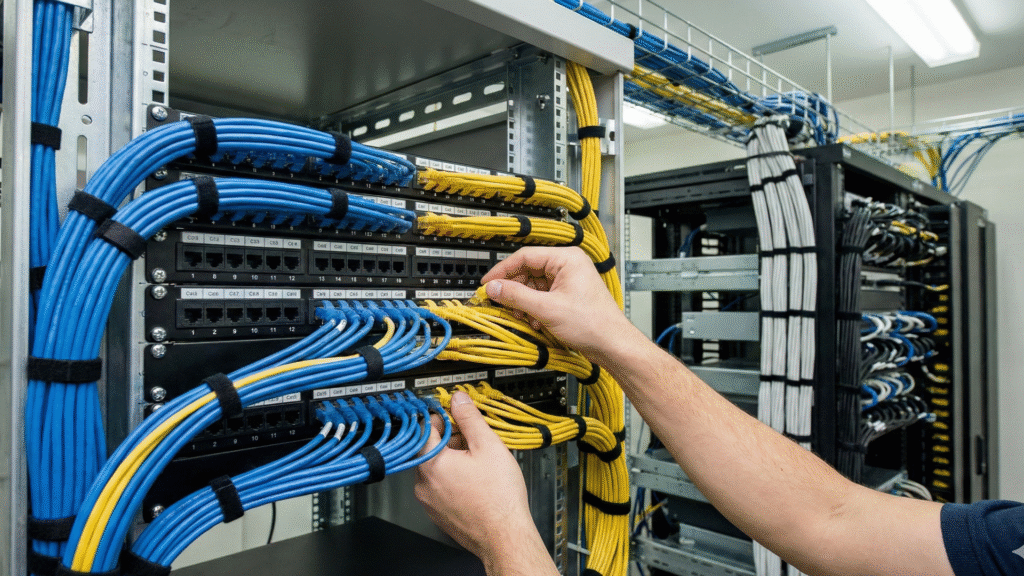
Structured cabling is a standardized system of cables and hardware designed to support multiple communication systems—including voice, data, video, and wireless networks—through a unified infrastructure. It provides a framework for offices to organize their network connections efficiently, reducing downtime and ensuring seamless connectivity.
Unlike traditional cabling, which may involve ad-hoc installations and uncoordinated wiring, structured cabling follows industry standards, such as ISO/IEC 11801. This ensures consistency, reliability, and future scalability, allowing businesses to add or relocate devices without disrupting existing systems.
In Hong Kong, structured cabling is particularly relevant due to space constraints and the high density of employees and devices. Traditional cabling may meet basic needs, but as offices expand their technology footprint with cloud services, VoIP systems, and smart devices, structured cabling becomes essential for maintaining high performance and reliability.
Structured cabling is designed to support both current and future technological demands. Its flexible design accommodates higher bandwidths, faster internet speeds, and multiple device connections simultaneously, ensuring that offices can scale their infrastructure without major overhauls.
Example: A law firm in Central Hong Kong with multiple floors can use structured cabling to ensure that every workstation, conference room, and security device is connected through a centralized, manageable network. Adding new floors or devices requires minimal disruption to the existing infrastructure.
Structured cabling is more than just a technical upgrade—it’s a strategic investment that ensures offices in HK are prepared for long-term growth and technological advancement.
3. Key Components of Structured Cabling
A structured cabling system is made up of several critical components, each playing a vital role in maintaining network efficiency, reliability, and scalability. Understanding these components is essential for businesses planning to implement structured cabling in Hong Kong offices.
a) Horizontal Cabling
Horizontal cabling connects telecommunications rooms to individual workstations. It typically uses twisted pair (Cat6, Cat6a) or fiber optic cables, depending on bandwidth and distance requirements.
- Purpose: Ensures every workstation, printer, VoIP phone, and Wi-Fi access point receives consistent connectivity.
- Benefit: Maintains high-speed LAN performance across all departments.
In Hong Kong offices, horizontal cabling helps maximize limited workspace while ensuring that connectivity remains strong across multiple devices. Properly installed horizontal cabling minimizes interference, improves signal quality, and reduces network downtime, which is essential for productivity.
b) Backbone Cabling
Backbone cabling connects telecommunications rooms, floors, and core networking equipment. High-capacity fiber optic or copper cables are typically used to handle large amounts of data.
- Purpose: Provides seamless interconnection between floors, departments, and network infrastructure.
- Benefit: Supports enterprise applications, cloud services, and high-speed internet across the entire office.
For multi-floor offices in Hong Kong, backbone cabling ensures that all workstations, servers, and devices are interconnected efficiently, with minimal latency and maximum reliability.
c) Patch Panels
Patch panels serve as central hubs where horizontal and backbone cables terminate. They make network management easier and allow IT teams to troubleshoot and manage connections efficiently.
- Purpose: Centralizes cable connections for easy maintenance.
- Benefit: Reduces troubleshooting time and prevents network-wide disruptions.
d) Racks and Enclosures
Racks and enclosures provide a neat and secure location for switches, servers, and patch panels.
- Purpose: Organizes networking equipment and maintains airflow for proper cooling.
- Benefit: Reduces clutter, enhances network reliability, and ensures a professional setup.
e) Cable Management Accessories
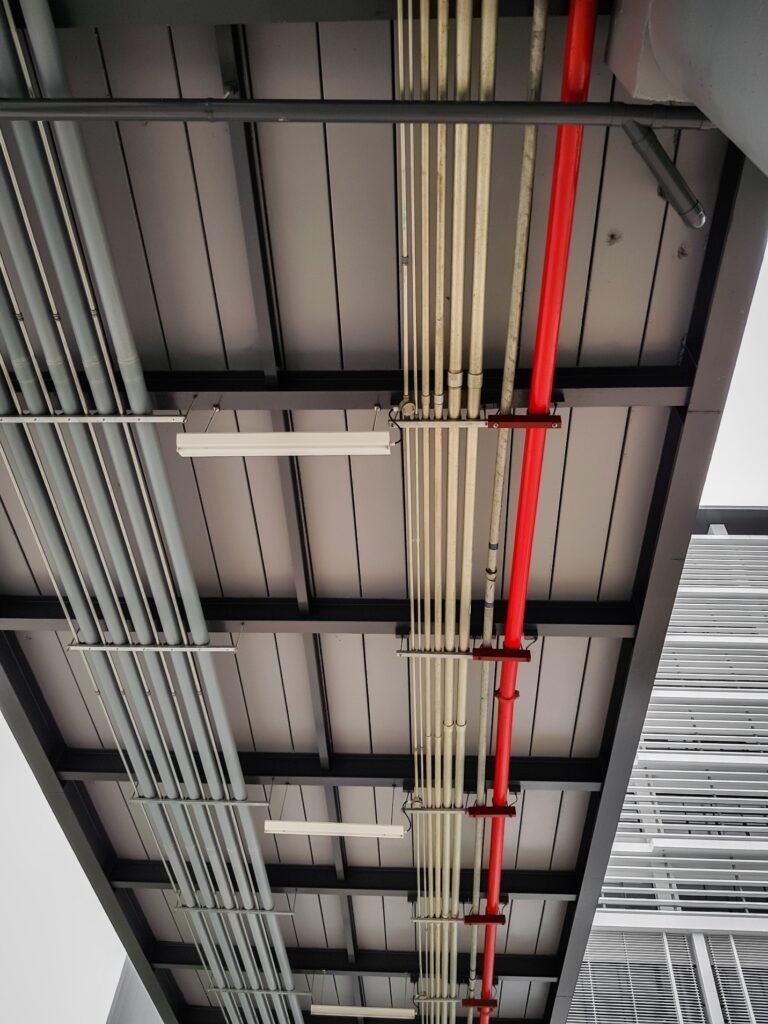
Cable trays, ladders, and labels help maintain order and accessibility.
- Purpose: Organizes cables for easy identification and future upgrades.
- Benefit: Reduces accidental disconnections and ensures a professional, manageable network setup.
f) Connectors and Faceplates
High-quality connectors and faceplates ensure stable connections at each workstation while providing a clean, professional finish.
- Purpose: Maintains reliable connections for devices and endpoints.
- Benefit: Reduces downtime due to connectivity issues and enhances the office appearance.
4. Why Structured Cabling is Essential for HK Offices
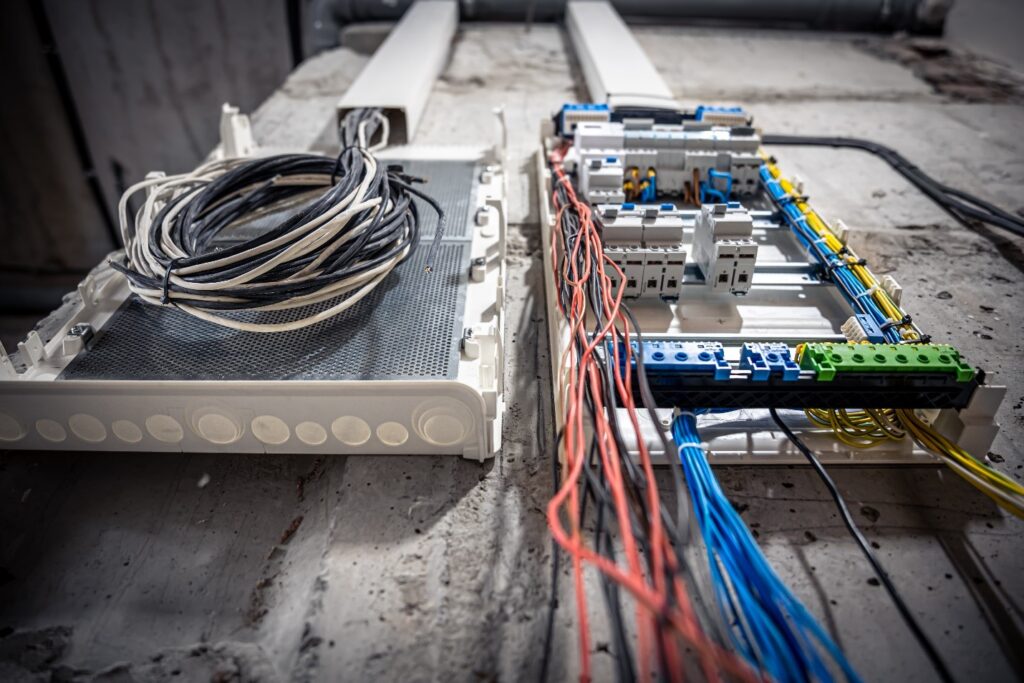
Hong Kong offices operate in an environment characterized by space limitations, high workforce density, and a reliance on digital technologies. Structured cabling provides solutions to these unique challenges.
- High-Density Workspaces: Offices often have limited floor space. Structured cabling allows organized routing of cables, preventing clutter and maintaining a professional workspace.
- Data-Intensive Workflows: Businesses rely heavily on cloud computing, collaborative tools, and VoIP systems. Structured cabling ensures consistent high-speed connectivity for all these applications.
- Rapid Technological Adoption: IoT devices, smart office solutions, and automated systems require a network that is scalable and flexible. Structured cabling supports these technologies seamlessly.
- Business Continuity: Downtime caused by unorganized cabling can disrupt operations and result in lost productivity. Structured cabling provides a reliable backbone to minimize such risks.
Example: A financial services office in Central HK with hundreds of connected devices can benefit immensely from structured cabling, ensuring seamless connectivity for computers, phones, Wi-Fi, and security systems, while allowing for future expansion.
Structured cabling is no longer optional—it is a strategic necessity for offices that want reliable, efficient, and future-ready networks.
5. Main Benefits of Structured Cabling for Offices in HK
a) Improved Network Performance
Structured cabling ensures fast and reliable data transmission by reducing packet loss, latency, and network interruptions. With proper installation, offices can support high-bandwidth applications, video conferencing, and cloud computing without experiencing connectivity issues.
Example: An HK marketing agency can have multiple teams working on HD video editing, cloud-based design tools, and VoIP calls simultaneously without network slowdowns.
b) Scalability and Flexibility
Structured cabling provides the flexibility to add or move workstations, devices, or even entire floors without disrupting the existing network.
Scenario: A startup in Kowloon expands to a new office floor. With structured cabling, they can connect all new devices seamlessly, avoiding downtime and unnecessary rewiring costs.
c) Reduced Downtime and Maintenance Costs
A well-organized cabling system simplifies troubleshooting. IT teams can identify issues quickly, reducing downtime and lowering operational costs.
Statistic: Companies with structured cabling report up to 50% less network downtime compared to offices with unstructured systems.
d) Organized Cable Management
Structured cabling ensures a professional and organized workspace, using color-coded cables, labels, and organized racks.
- Simplifies upgrades and maintenance.
- Reduces accidental disconnections.
- Improves office aesthetics, boosting employee satisfaction.
e) Future-Proofing IT Infrastructure
Structured cabling prepares offices for emerging technologies:
- Cloud computing
- IoT-enabled devices
- VoIP and video conferencing
- High-bandwidth applications
It ensures that offices in HK can scale and adapt without major infrastructure changes.
f) Long-Term Cost Efficiency
Though initial investment may be higher, structured cabling saves money over time by:
- Minimizing downtime
- Reducing maintenance costs
- Avoiding frequent rewiring or infrastructure upgrades
6. Structured Cabling Supporting Modern Office Technologies
Modern offices in Hong Kong rely on a range of advanced technologies that require a stable and high-performance network. Structured cabling plays a critical role in supporting these technologies efficiently and reliably.
High-Speed Internet and Wi-Fi Deployment
Structured cabling provides a robust backbone for high-speed internet. In offices where multiple employees access cloud services, conduct online meetings, or stream content simultaneously, network reliability is crucial.
Properly installed cabling ensures consistent bandwidth distribution, reducing bottlenecks and improving overall productivity. In Hong Kong, where office buildings often have multiple floors and dense workstations, structured cabling allows seamless Wi-Fi deployment across the entire office space. This ensures that every device—from laptops to mobile phones—has reliable access to the network without interruptions.
Additionally, structured cabling reduces signal interference and ensures low latency connections, which is critical for tasks such as video conferencing, VoIP calls, and collaborative cloud applications. For instance, a financial trading firm in Central Hong Kong can maintain uninterrupted real-time market data streaming, which is essential for decision-making and operational efficiency.
IP Telephony and Video Conferencing
Structured cabling supports VoIP and video conferencing systems by providing dedicated and stable connections. Unlike traditional cabling, which may cause call drops or low-quality audio/video, structured cabling ensures high-quality, uninterrupted communications.
For HK offices with frequent international collaboration, structured cabling ensures that employees can conduct HD video calls, share large files in real-time, and use VoIP systems without disruption. This is especially beneficial for consulting firms, law offices, and multinational corporations where communication reliability directly affects client satisfaction.
Security Systems Integration
Modern offices rely on integrated security systems, including CCTV cameras, access control systems, and alarm systems. Structured cabling allows efficient deployment of these devices by providing centralized wiring that connects all endpoints to network servers or monitoring stations.
With structured cabling, IT teams can manage security systems without additional cabling chaos, ensuring that cameras, sensors, and access points work reliably. For example, an office building in Kowloon can monitor all entry points through a centralized system without signal loss or network interference.
Smart Office and IoT Devices
Structured cabling also supports smart office and IoT devices, including automated lighting, climate control, and occupancy sensors. By providing a reliable network backbone, structured cabling ensures that these devices operate efficiently and communicate effectively with central management systems.
This allows offices in Hong Kong to optimize energy consumption, enhance comfort, and improve overall operational efficiency. For example, an office can automate temperature adjustments based on occupancy patterns while ensuring that all IoT sensors remain fully connected and responsive.
7. How to Choose the Right Structured Cabling Provider in HK
Selecting a qualified structured cabling provider is critical for successful implementation. Not all providers offer the same level of expertise, quality, or service. Here are some essential factors to consider when choosing a provider in Hong Kong.
Technical Expertise and Certifications
Choose a provider with certified technicians experienced in structured cabling installation. Certifications such as BICSI, ISO/IEC standards, and vendor-specific training indicate that the provider can implement best practices and maintain industry standards.
An experienced provider can also design custom solutions that cater to the specific needs of your office, whether it’s a high-rise building, a co-working space, or a multi-floor corporate office. This ensures optimal cable routing, minimal interference, and future scalability.
Local Experience and Support
A provider with experience in Hong Kong understands local building codes, regulations, and environmental challenges. They can navigate high-rise buildings, limited space layouts, and other unique factors effectively.
Additionally, local providers can offer quick on-site support, reducing downtime in case of network issues. This is particularly important for businesses that rely on continuous connectivity, such as financial firms, healthcare providers, and call centers.
Customization and Scalability
Your structured cabling system should be tailored to your office size, layout, and growth plans. A reputable provider will design a network that is scalable, allowing you to add workstations, devices, or even new floors without major rewiring.
Custom solutions may include color-coded cable management, labeled patch panels, and strategically placed backbone connections, all designed to make maintenance and expansion as seamless as possible.
Compliance with Standards
Ensure the provider follows international and local standards for structured cabling, such as ISO/IEC 11801, ANSI/TIA, and Hong Kong building regulations. Compliance guarantees reliability, safety, and long-term performance.
8. Step-by-Step Guide to Implement Structured Cabling
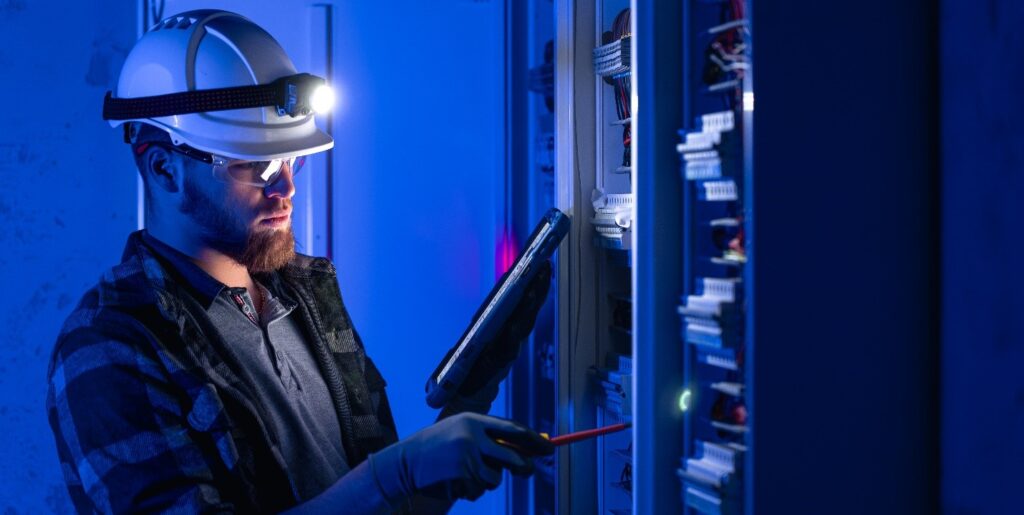
Implementing structured cabling requires careful planning and execution. Here is a detailed step-by-step guide for offices in Hong Kong.
Step 1: Assessment
The first step is to assess the current office layout and network infrastructure. Evaluate:
- Number of floors and workstations
- Existing cabling and network devices
- Future expansion plans
- Bandwidth and technology requirements
A thorough assessment ensures that the structured cabling system will meet both current and future needs.
Step 2: Design
Next, design a structured cabling plan that includes:
- Horizontal and backbone cabling routes
- Patch panel and switch placement
- Cable management strategies
- Labeling and documentation plans
Designing before installation ensures a tidy, organized, and scalable network.
Step 3: Installation
During installation:
- Route horizontal and backbone cables according to the design plan
- Connect cables to patch panels and endpoints
- Organize cables using trays, ladders, and labeling systems
Professional installation minimizes downtime and ensures network reliability.
Step 4: Testing
After installation, perform network testing to verify:
- Connectivity and speed
- Latency and packet loss
- Proper functioning of all devices
Testing ensures that the network meets performance standards and reduces future troubleshooting efforts.
Step 5: Documentation
Finally, maintain detailed records of:
- Cable routes and connections
- Patch panel layouts
- Device and port assignments
Documentation makes future upgrades, troubleshooting, and expansion efficient and stress-free.
9. Common Myths About Structured Cabling
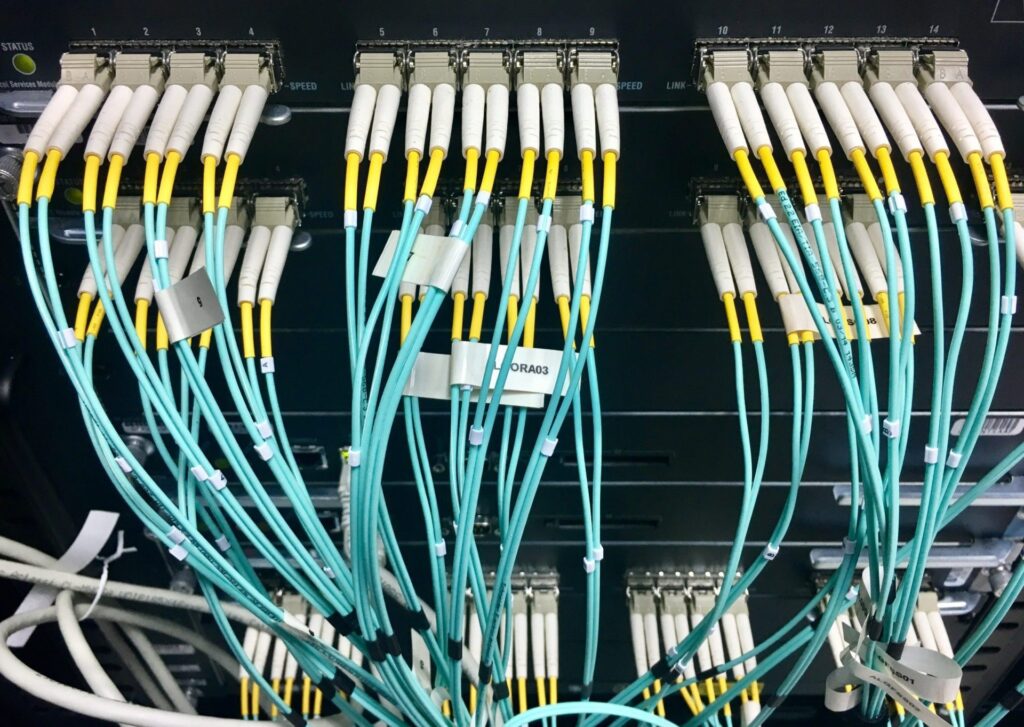
Despite its clear benefits, some misconceptions about structured cabling still exist. Addressing these myths can help businesses make informed decisions.
Myth 1: Only Large Offices Need Structured Cabling
Many small businesses believe they don’t need structured cabling. However, even small offices benefit from organized and scalable infrastructure, which supports growth, reduces downtime, and improves employee productivity.
Myth 2: Wireless Networks Eliminate the Need for Cabling
While wireless networks are important, they depend on a stable wired backbone. Structured cabling ensures that Wi-Fi access points, VoIP systems, and other wireless devices function efficiently without interference or signal degradation.
Myth 3: Structured Cabling is Too Expensive
Although the initial investment may seem higher, structured cabling provides long-term cost savings through reduced downtime, lower maintenance costs, and easier scalability. Over time, the ROI significantly outweighs the upfront costs.
Key takeaway: Understanding the truth behind these myths helps businesses recognize structured cabling as a strategic investment, not just a technical expense.
10. Conclusion
For offices in Hong Kong, structured cabling is more than just a technical solution—it is a strategic investment. By providing a reliable, organized, and scalable network, structured cabling improves productivity, supports modern technologies, reduces downtime, and ensures future readiness.
Businesses that implement structured cabling benefit from:
- Enhanced network performance: Reliable, high-speed connections for all devices
- Scalability and flexibility: Easy expansion and adaptation to new technologies
- Reduced downtime and maintenance costs: Faster troubleshooting and lower operational disruption
- Support for modern office technologies: Wi-Fi, VoIP, video conferencing, IoT, and smart office devices
- Professional cable management: Organized, labeled, and tidy infrastructure
- Long-term cost efficiency: Minimizes re-cabling expenses and maximizes ROI
Structured cabling is a foundational investment for Hong Kong offices seeking efficiency, reliability, and a competitive edge in the modern business landscape.
Call to action: If your office in HK is ready to enhance connectivity, future-proof your network, and support modern technologies, now is the time to invest in a professional structured cabling solution.