


How to Improve Business Network Security: In the digital age, network security is no longer optional—it is a core part of business strategy. From small startups to multinational corporations, cyber threats are constantly evolving, targeting sensitive data, financial information, and critical operational systems. A single breach can result in financial loss, operational downtime, legal complications, and irreparable reputational damage.
Businesses today face a wide range of risks: ransomware attacks, phishing attempts, malware infections, insider threats, and vulnerabilities in Wi-Fi networks. Protecting digital assets is not just a technical requirement—it’s a business imperative. But the question remains: How can businesses realistically improve their network security?
Improving network security involves more than installing antivirus software. It requires a holistic approach that combines technology, policy, employee awareness, and proactive monitoring. This guide outlines actionable strategies and best practices that businesses of all sizes can implement to secure their networks effectively and sustainably.
By following these steps, companies can protect sensitive information, maintain regulatory compliance, safeguard customer trust, and ensure uninterrupted operations—transforming security from a reactive measure into a strategic business advantage.
What Is Business Network Security?
Business network security refers to the processes, technologies, and policies that protect an organization’s digital infrastructure from unauthorized access, data breaches, and cyber attacks. It covers everything from internal servers and employee devices to cloud services and network hardware.
At its core, network security ensures three key principles—confidentiality, integrity, and availability (CIA triad). Confidentiality protects sensitive information from unauthorized access. Integrity guarantees that data remains accurate and untampered. Availability ensures that systems and data are accessible to authorized users when needed.
A strong business network security framework integrates hardware solutions like firewalls, routers, and secure Wi-Fi access points with software solutions such as antivirus programs, endpoint protection, encryption, and monitoring systems. Policies and procedures complement technology by defining who can access what, how data is handled, and how employees respond to potential threats.
Without robust network security, businesses risk financial losses, operational disruptions, and severe reputational damage. Cyber attacks can happen to any organization, regardless of size, industry, or location. Implementing a comprehensive network security strategy is no longer a technical concern for IT departments alone—it is a strategic decision with direct implications for business continuity and competitive advantage.
Why Business Network Security Is Critical
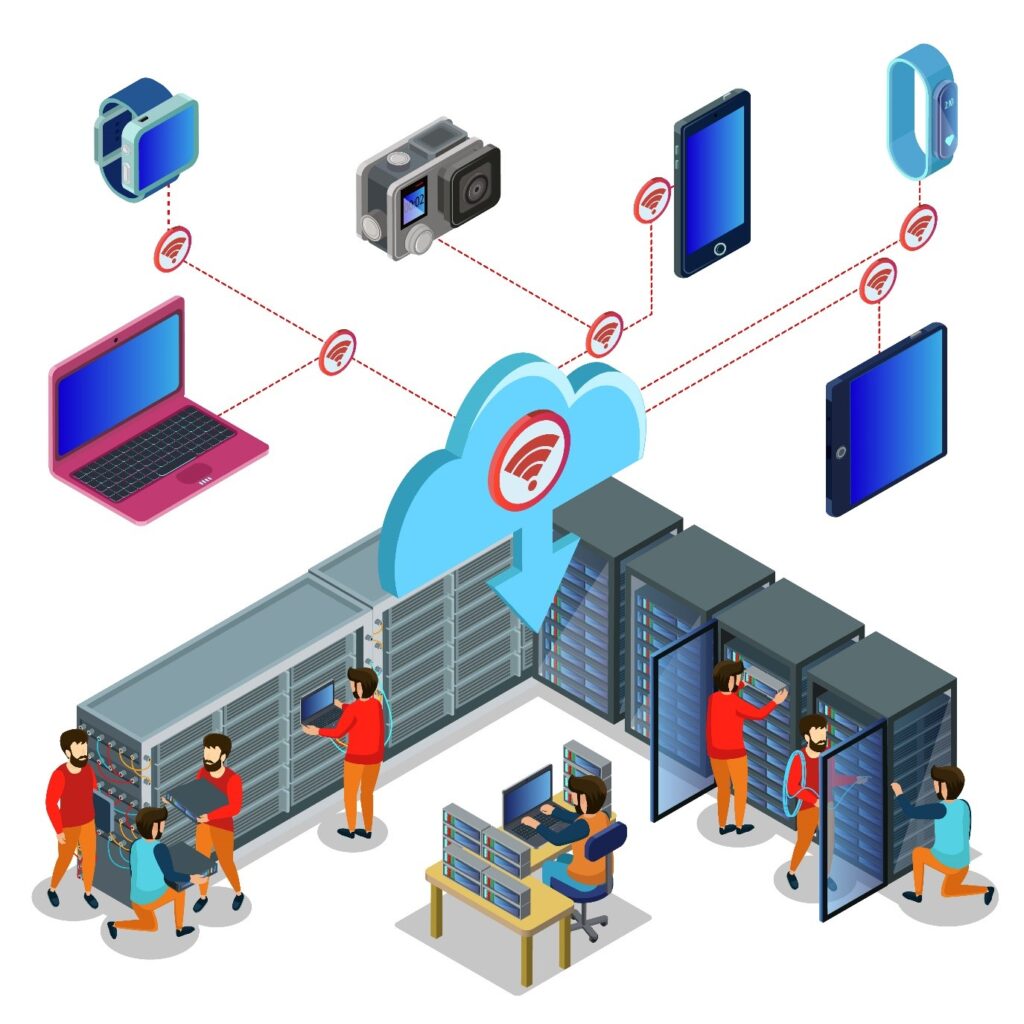
The digital transformation of business operations has increased efficiency but also created new vulnerabilities. Every online transaction, cloud storage solution, email exchange, and network-connected device is a potential entry point for cybercriminals.
The impact of network security failures can be catastrophic. For instance, ransomware attacks can encrypt critical business data, demanding a hefty ransom for release. Insider threats—whether malicious or accidental—can compromise sensitive customer or employee data. Regulatory violations due to inadequate security can result in fines and legal penalties.
A strong network security posture directly influences customer trust. Clients and partners are more likely to engage with organizations that demonstrate responsibility for protecting their data. Moreover, investors often assess cybersecurity practices as part of their risk evaluation.
Beyond preventing immediate losses, robust security contributes to long-term operational stability. Businesses with effective network protection experience fewer disruptions, reduce downtime, and maintain continuous service delivery. In essence, investing in network security safeguards not only data but also the company’s brand, reputation, and bottom line.
How to Improve Business Network Security
Improving network security is a multi-faceted process, combining technology, policy, and employee awareness. The following strategies are practical, realistic, and actionable.
1. Install a Business-Grade Firewall
Firewalls act as the first line of defense against cyber threats. Unlike consumer-grade firewalls, business-grade solutions provide advanced threat detection, application-level filtering, and intrusion prevention.
Next-generation firewalls (NGFWs) can identify suspicious traffic, prevent unauthorized access, and integrate threat intelligence updates automatically. Proper configuration is essential: unused ports should be closed, default passwords changed, and firmware kept up to date.
A well-implemented firewall significantly reduces the risk of unauthorized access, malware infiltration, and targeted cyber attacks. It provides a controlled environment where business networks can operate safely and securely.
2. Implement Strong Access Control Policies
Not all employees require the same level of access. Role-based access control (RBAC) ensures that users have only the permissions necessary to perform their duties.
This principle of least privilege minimizes exposure to sensitive systems. For example, HR data should be accessible only to HR personnel, while financial records remain limited to accounting staff. Regular access reviews and monitoring help prevent privilege creep and insider threats.
Strong access control policies combined with monitoring alerts ensure that any suspicious login activity is promptly investigated, maintaining both security and operational accountability.
3. Enable Multi-Factor Authentication (MFA)
Passwords alone are often insufficient protection. Multi-factor authentication (MFA) adds an additional verification layer, requiring users to provide two or more forms of identification before access is granted.
Typical MFA methods include time-based one-time passwords (TOTP), SMS codes, authentication apps, or biometric verification. By implementing MFA on critical systems—such as email, VPNs, and cloud dashboards—businesses can prevent unauthorized access even if passwords are compromised.
MFA is a cost-effective, proven method for significantly reducing cyber risk and is now considered a standard practice for modern businesses.
4. Encrypt Sensitive Data
Encryption transforms readable data into a coded format, accessible only to authorized users with decryption keys.
Businesses must encrypt:
- Data at rest: stored in databases or file servers
- Data in transit: emails, file transfers, and online communications
SSL/TLS certificates secure communications over networks, while database encryption ensures that even if storage is breached, sensitive data remains protected. Encryption is not only a security measure but also a requirement for many regulatory frameworks, ensuring compliance and reducing liability.
5. Keep Systems Updated
Outdated software and hardware create vulnerabilities easily exploited by attackers.
A disciplined patch management process ensures that:
- Operating systems are current
- Firmware is up to date
- Applications receive regular updates
- Security vulnerabilities are promptly addressed
Automating updates where possible reduces the risk of human oversight and maintains a strong security posture across all devices and systems.
6. Deploy Network Monitoring Tools
Continuous monitoring provides early detection of suspicious activity, preventing small incidents from escalating.
Tools include:
- Intrusion Detection Systems (IDS)
- Intrusion Prevention Systems (IPS)
- Security Information and Event Management (SIEM) platforms
Monitoring allows IT teams to track unusual network traffic, detect malware, and respond proactively. Combining monitoring with automated alerts ensures that potential threats are addressed in real-time.
7. Secure Office Wi-Fi Networks
Unsecured Wi-Fi networks are a common vulnerability. Businesses must:
- Use WPA3 encryption
- Implement strong passwords
- Isolate guest networks
- Consider VLAN segmentation
Proper Wi-Fi configuration prevents unauthorized access, protects sensitive devices, and maintains overall network integrity.
8. Install Endpoint Protection
Every connected device is a potential threat vector. Endpoint protection solutions secure laptops, desktops, and mobile devices.
Features include:
- Antivirus and anti-malware
- Device management
- Remote wipe capability
- Real-time threat detection
With endpoint protection, businesses reduce the likelihood of a compromised device affecting the broader network.
9. Conduct Regular Security Audits
Audits identify weaknesses before attackers exploit them.
A comprehensive audit includes:
- Vulnerability scans
- Penetration testing
- Risk assessment
- Policy review
Proactive auditing strengthens security strategy, ensuring systems remain robust against emerging threats.
10. Train Employees
Human error accounts for a majority of breaches.
Cybersecurity training teaches staff to:
- Identify phishing attempts
- Follow password best practices
- Navigate safely online
- Report suspicious activity
An informed workforce acts as the first line of defense, complementing technological solutions.
Layered Security Approach
Security is most effective when applied in layers:
- Firewalls for perimeter defense
- Access control for internal protection
- Encryption for data security
- Endpoint protection for devices
- Monitoring for threat detection
If one layer is breached, others continue protecting critical systems.
Benefits of Improved Network Security

Investing in network security provides tangible business benefits:
- Prevents data breaches and financial loss
- Maintains customer trust
- Ensures regulatory compliance
- Supports operational continuity
- Reduces risk exposure
Effective network security is not just technical—it’s a business growth enabler.
Conclusion
Improving business network security requires a holistic approach that combines technology, policy, and human awareness. By implementing firewalls, multi-factor authentication, encryption, endpoint protection, monitoring, and ongoing employee training, businesses can proactively defend against cyber threats, maintain continuity, and protect both their data and reputation.
Cybersecurity is an ongoing process, not a one-time project. Treating it as a strategic priority ensures long-term resilience and competitive advantage.