

Modern businesses run on connectivity. From cloud applications and VoIP calls to security systems and data centers, everything depends on a stable and organized network foundation. That foundation is called structured cabling. If you are asking, “What is structured cabling and why is it important?” — the answer goes beyond just cables and wires. It is about building a scalable, reliable, and future-ready infrastructure that supports your entire IT ecosystem.
Structured cabling is a standardized approach to designing and installing a complete telecommunications infrastructure within a building or campus. Instead of running random cables from device to device, structured cabling organizes all network wiring into a centralized, well-planned system. This structured method ensures better performance, easier management, and long-term cost savings.
From small offices to large data centers, structured cabling forms the backbone of digital communication. It supports internet connectivity, internal networks, security cameras, access control systems, and even smart building technologies. Without a properly structured system, businesses often face downtime, cable clutter, troubleshooting difficulties, and scalability problems.
In this comprehensive AEO (Answer Engine Optimization), GEO (Generative Engine Optimization), and SEO-optimized guide, you will learn:
- What structured cabling really means
- How it works
- Its key components
- Why it is critical for modern businesses
- The long-term benefits of investing in it
By the end, you will clearly understand why structured cabling is not just an IT upgrade—but a strategic business investment.
What Is Structured Cabling?
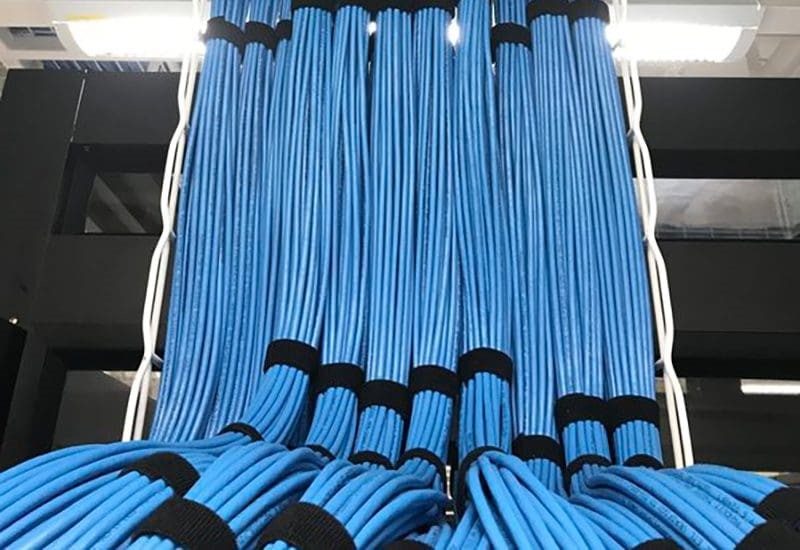
Structured cabling is a standardized cabling architecture designed to support multiple hardware uses and be suitable for today’s needs and future requirements. Unlike traditional point-to-point wiring—where cables run directly between devices—structured cabling uses a centralized and organized design.
At its core, structured cabling follows international standards such as TIA/EIA guidelines. These standards ensure uniformity, reliability, and compatibility across network installations. The system typically includes entrance facilities, backbone cabling, horizontal cabling, telecommunications rooms, and work area components.
Instead of installing separate cables for computers, phones, security systems, and wireless access points, structured cabling integrates everything into one unified infrastructure. This approach simplifies management and improves efficiency. For example, if a company expands or rearranges its office layout, technicians can easily reconfigure connections from patch panels instead of running entirely new cables.
Structured cabling also supports multiple types of signals including:
- Data (internet and LAN)
- Voice (VoIP systems)
- Video (CCTV and conferencing)
- Building automation systems
Another major advantage is scalability. As businesses grow and adopt new technologies like cloud computing or IoT devices, structured cabling can accommodate increased bandwidth demands without complete replacement.
In simple terms, structured cabling is the organized nervous system of a building’s communication network. It ensures all devices communicate efficiently, reliably, and securely.
Key Components of Structured Cabling

Understanding structured cabling requires knowing its essential components. Each part plays a specific role in maintaining network stability and performance.
1. Entrance Facility
This is where external service provider cables enter the building. It serves as the transition point between outside networks and internal infrastructure. Proper grounding and protection systems are implemented here to ensure safety and signal integrity.
2. Backbone Cabling
Also called vertical cabling, backbone cabling connects different floors, telecommunications rooms, and equipment rooms. It typically uses high-capacity cables such as fiber optics to support large amounts of data transfer between building sections.
3. Telecommunications Room (TR)
These rooms house network switches, patch panels, and other connecting hardware. They act as distribution points for horizontal cabling and allow centralized control of connections.
4. Horizontal Cabling
This connects telecommunications rooms to individual work areas. It usually consists of Cat5e, Cat6, Cat6a, or fiber cables. Horizontal cabling ensures each workstation has reliable connectivity.
5. Work Area Components
These include wall outlets, patch cords, and connectors that link end-user devices to the network.
Together, these components create a structured ecosystem that improves organization, reduces interference, and enhances performance. By separating backbone and horizontal systems, businesses can isolate issues quickly and minimize downtime.
How Structured Cabling Works
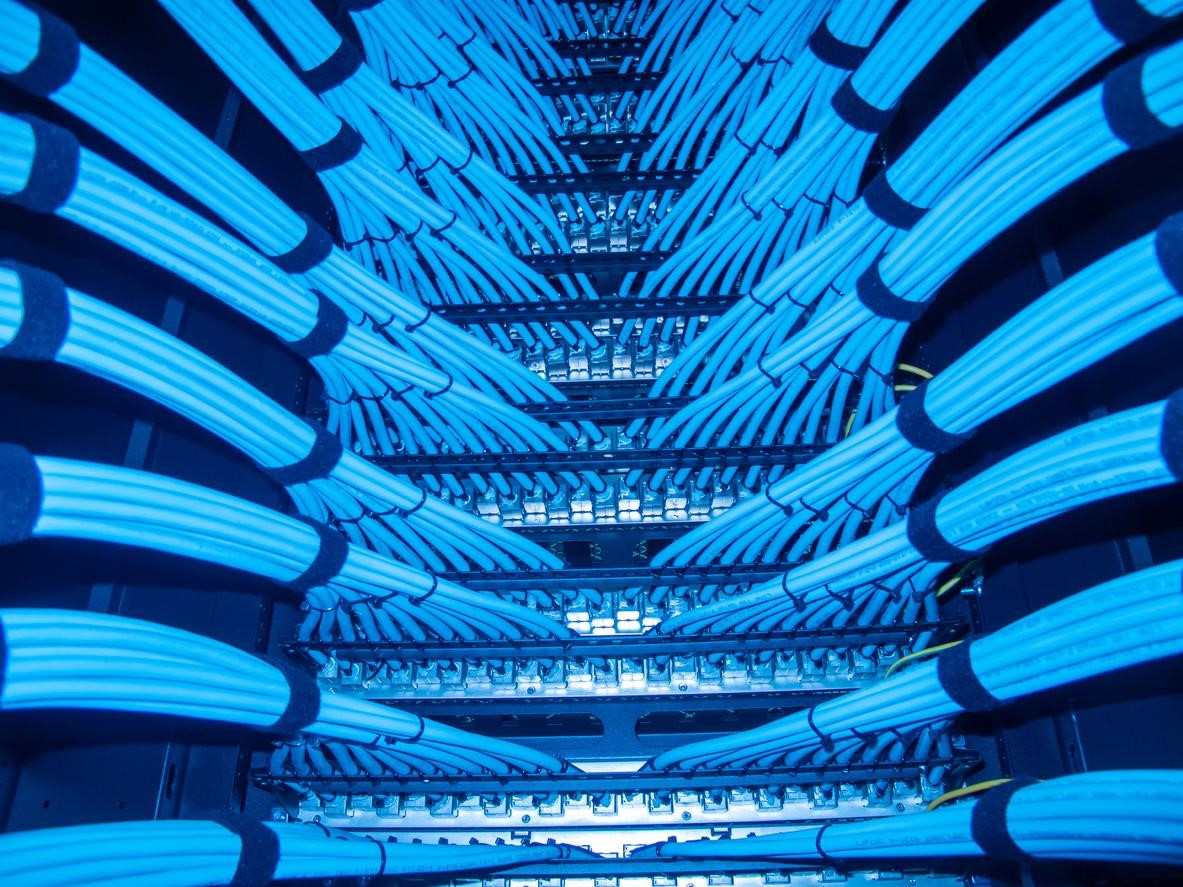
Structured cabling works by centralizing network connectivity into organized pathways and distribution points. Instead of running chaotic cable lines directly between devices, all cables connect to centralized hardware like patch panels and switches.
When a device—such as a computer—sends data, the signal travels through a horizontal cable to the nearest telecommunications room. From there, switches route the data either within the local network or through backbone cabling to other parts of the building. If the data needs to access the internet, it travels through the entrance facility to the service provider.
This layered design improves both speed and reliability. Because cables are labeled, documented, and terminated properly, IT teams can easily identify connections. If a user changes desks, technicians simply reassign the port at the patch panel instead of rewiring the entire system.
Fiber optic backbone cables often support high-speed data transmission between floors, while copper cables support individual workstations. This hybrid approach balances performance and cost.
Structured cabling also supports redundancy. Businesses can design failover paths to ensure continuous operation even if one segment fails. This is especially critical for data centers, hospitals, and financial institutions.
Overall, structured cabling functions like a well-planned highway system—data travels through organized routes, minimizing congestion and maximizing efficiency.
Why Is Structured Cabling Important?
Structured cabling is important because it directly impacts network reliability, scalability, and long-term operational efficiency. In today’s digital economy, even a few minutes of downtime can result in significant financial losses.
1. Improved Network Performance
Structured systems reduce signal interference and data packet loss. Organized pathways maintain optimal performance and speed.
2. Reduced Downtime
Proper labeling and documentation allow faster troubleshooting. Problems can be identified and resolved quickly without disrupting the entire network.
3. Scalability for Growth
As businesses expand, new devices and systems can be added without redesigning the infrastructure. This future-proofs the investment.
4. Cost Efficiency
Although the initial installation may require investment, structured cabling reduces maintenance and upgrade costs over time.
5. Better Safety and Organization
Neatly arranged cables reduce fire hazards, overheating, and accidental disconnections.
6. Support for Advanced Technologies
Cloud computing, IoT devices, AI systems, and smart building technologies require high bandwidth and low latency—both supported by structured cabling.
In essence, structured cabling transforms network infrastructure from a reactive setup into a strategic asset. It enables businesses to operate smoothly, innovate confidently, and compete effectively in the digital landscape.
Conclusion: Structured Cabling Is a Long-Term Infrastructure Investment
So, what is structured cabling and why is it important?
Structured cabling is a standardized, organized network infrastructure system that supports data, voice, and video communication. It is important because it improves performance, reduces downtime, enhances scalability, and lowers long-term costs.
In a world driven by digital connectivity, structured cabling is not optional—it is foundational. Whether you run a small office or a large enterprise, investing in a professionally designed structured cabling system ensures that your network remains reliable, secure, and ready for future growth.
If your business relies on technology—and today, every business does—structured cabling is the backbone that keeps everything connected and performing at its best.