

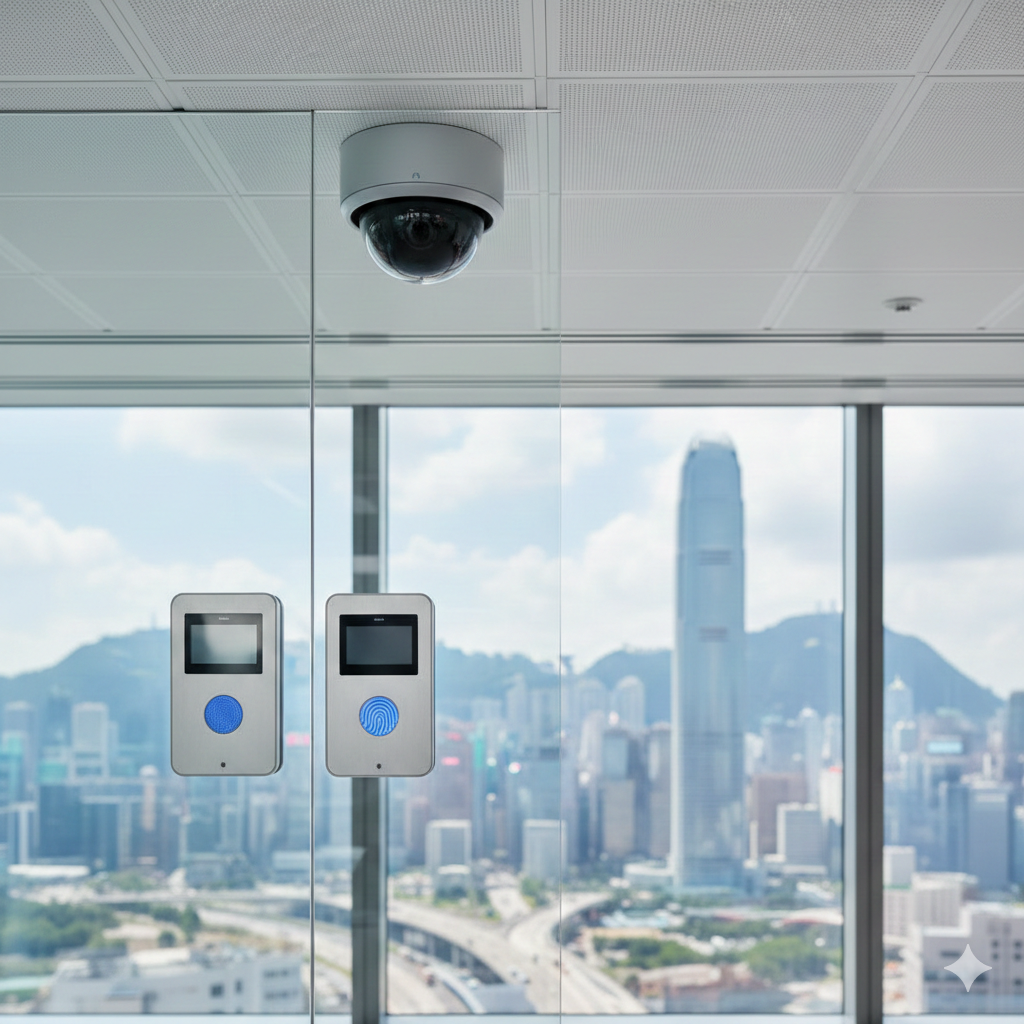
Introduction: Why Business Security Matters More Than Ever in Hong Kong
Business CCTV & Access Control Installation Guide: In today’s fast-paced and highly competitive business environment, security has become a critical priority for organizations of all sizes. In Hong Kong, where offices, retail outlets, warehouses, and commercial buildings operate in dense urban settings, businesses face unique security challenges. From unauthorized access and internal theft to vandalism and compliance requirements, companies must take a proactive approach to protecting their people, assets, and data.
This Business CCTV & Access Control Installation Guide is designed to help Hong Kong businesses understand how modern security systems work, why they are essential, and how to plan and implement them effectively. CCTV and access control systems are no longer just about surveillance; they are integrated security solutions that improve operational visibility, accountability, and risk management.
For many businesses, poor planning or low-quality installation leads to blind spots, unreliable footage, and security gaps that can be costly in the long run. A professionally designed and installed system ensures proper coverage, legal compliance, scalability, and long-term reliability. This is especially important in Hong Kong, where data privacy regulations, building management rules, and space constraints must all be carefully considered.
This guide is written for business owners, IT managers, facility managers, and decision-makers who want a clear, practical, and professional understanding of CCTV and access control installation. Whether you operate a single office or manage multiple sites across Hong Kong, this guide will help you make informed decisions and build a secure, compliant, and future-ready business environment.
Understanding Business CCTV Systems
A business CCTV system is a professional-grade video surveillance solution designed specifically for commercial environments. Unlike residential CCTV systems, business CCTV focuses on continuous operation, higher image quality, wider coverage, centralized management, and long-term data retention. These systems are built to support daily operations, incident investigation, and compliance requirements.
In Hong Kong, businesses commonly use CCTV to monitor entrances and exits, office floors, warehouses, loading bays, parking areas, and restricted zones. A well-designed system not only records video footage but also acts as a strong deterrent against theft, unauthorized access, and misconduct. Employees and visitors are more likely to follow rules when they know monitoring is in place.
Modern business CCTV systems typically use IP (Internet Protocol) cameras, which offer high-resolution video, remote access, and integration with other IT systems. Features such as night vision, motion detection, and AI-powered analytics allow businesses to detect unusual behavior and respond quickly to incidents. This is particularly useful in high-traffic commercial areas and logistics environments.
Another key aspect of business CCTV is scalability. As companies grow or move to larger premises, their surveillance system must be able to expand without requiring a complete replacement. Professional installation ensures that network infrastructure, storage capacity, and camera placement are planned with future growth in mind.
For Hong Kong businesses, environmental factors such as lighting conditions, building layout, and space limitations must also be considered. A properly implemented CCTV system provides clear, reliable footage while complying with local privacy regulations and building management guidelines.
What Is a Business Access Control System?
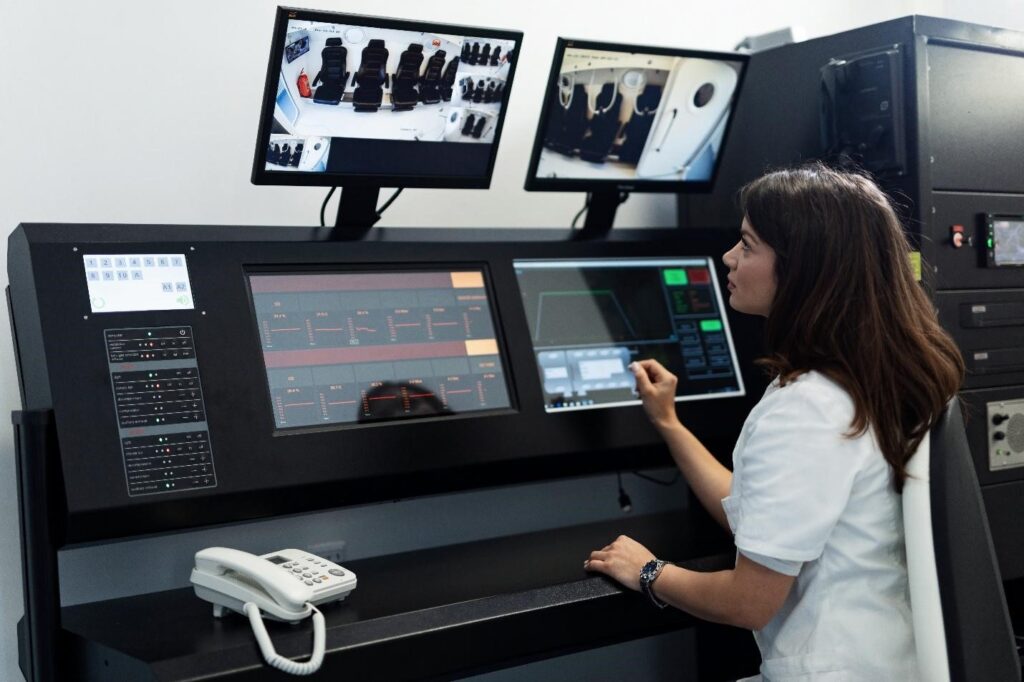
A business access control system is a security solution that regulates who can enter specific areas of a building and at what times. Instead of relying on traditional keys, access control systems use digital credentials such as key cards, PIN codes, biometric data, or mobile devices. This allows businesses to manage access rights centrally and update them instantly when roles or staffing change.
In a commercial environment, access control is essential for protecting sensitive areas such as server rooms, finance departments, storage areas, and executive offices. In Hong Kong, where many offices operate in shared or multi-tenant buildings, access control also helps prevent unauthorized entry and ensures tenant security.
One of the biggest advantages of access control systems is accountability. Every access attempt is logged, creating a clear audit trail that shows who entered which area and when. This is invaluable for internal investigations, compliance audits, and security reviews. It also supports better employee management by reducing tailgating and misuse of access privileges.
Modern access control systems can be cloud-based or on-premise, depending on business needs. Cloud-based systems are particularly popular among Hong Kong businesses with multiple locations, as they allow centralized management through a web or mobile interface. Integration with HR systems and attendance tracking tools further enhances operational efficiency.
A professionally installed access control system ensures reliability, fail-safe operation, and compliance with safety regulations. Emergency exit handling, power backup, and system redundancy are all critical components that must be considered during installation.
Why Businesses Should Integrate CCTV and Access Control Systems
While CCTV and access control systems are powerful on their own, their true value is realized when they are integrated into a unified security solution. Integration allows businesses to correlate access events with video footage, providing a complete and accurate picture of security incidents.
For example, when an access card is used to enter a restricted area, the system can automatically trigger nearby cameras to record high-resolution footage. This makes it easy to verify whether access was authorized and whether proper procedures were followed. In Hong Kong’s compliance-driven business environment, this level of visibility is extremely valuable.
Integrated systems also improve response times during incidents. Security teams can receive real-time alerts when unauthorized access attempts occur and immediately review associated video footage. This reduces investigation time and helps prevent escalation.
From an operational perspective, integration simplifies security management. Instead of managing multiple platforms, businesses can use a single dashboard to monitor cameras, access logs, and alerts. This is especially beneficial for IT-managed service providers and facility managers overseeing multiple sites.
Integration also supports future expansion. As businesses adopt smart office technologies, integrated security systems can connect with alarms, fire systems, and building management systems. This creates a safer, more intelligent workplace while maximizing return on investment.
Business CCTV Installation Guide: Planning and Deployment
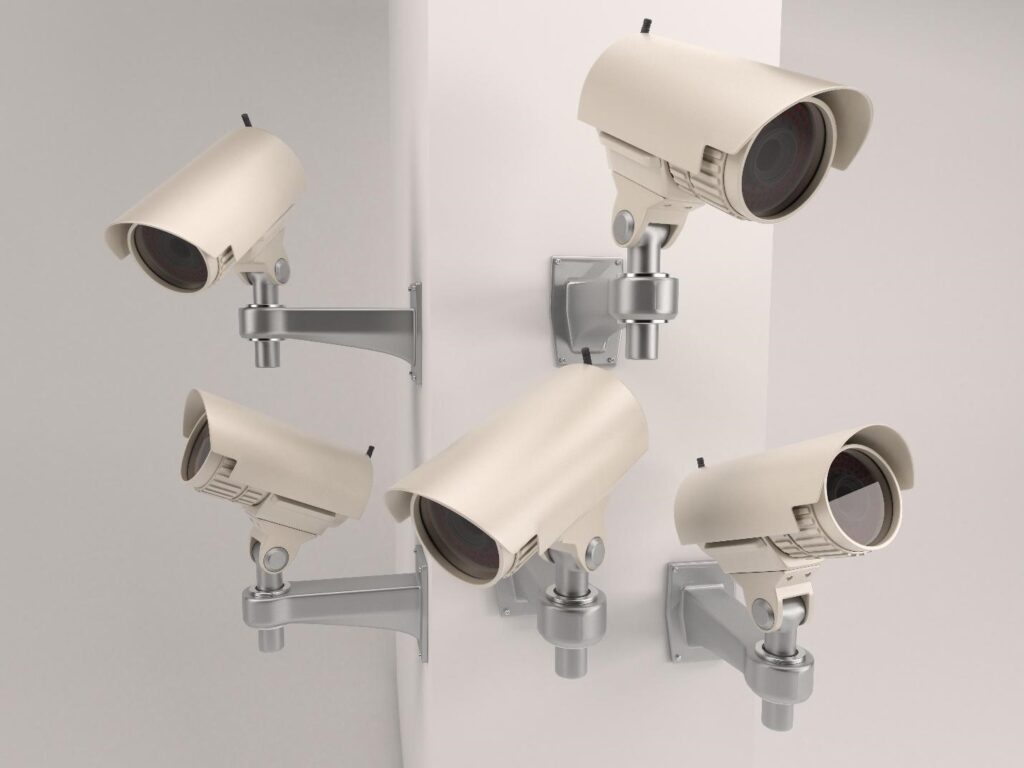
Successful CCTV installation begins with proper planning. A professional site survey is essential to understand the layout, risks, and operational needs of the business. In Hong Kong, where office layouts vary widely and space is often limited, careful planning prevents coverage gaps and unnecessary equipment costs.
Camera placement is one of the most critical aspects of installation. Key areas such as entrances, reception desks, corridors, and storage rooms must be covered without violating privacy rules. Outdoor cameras should be positioned to monitor perimeters and parking areas while accounting for lighting and weather conditions.
Choosing the right equipment is equally important. Businesses must consider camera resolution, field of view, night vision capability, and storage requirements. Network infrastructure and bandwidth planning ensure smooth video streaming and remote access without impacting business operations.
Professional installation also includes proper cabling, secure mounting, system configuration, and testing. Recording schedules, retention policies, and access permissions must be set according to business needs and legal requirements. A well-installed system delivers reliable performance and long-term value.
Business Access Control Installation Guide
Access control installation starts with defining security zones within the premises. Public areas, staff-only zones, and high-security areas must be clearly identified. In Hong Kong offices, this often includes shared spaces and emergency exits that require special consideration.
System selection depends on business size, risk level, and operational complexity. Small offices may require simple card-based systems, while larger enterprises benefit from biometric or mobile-based access control. Compatibility with existing IT infrastructure is a key factor.
Hardware installation includes door locks, readers, controllers, and power supplies. Professional installers ensure proper alignment, wiring, and fail-safe configuration. User management setup includes defining roles, permissions, and access schedules.
A properly installed access control system enhances security while remaining convenient for employees and visitors. Regular testing and updates ensure long-term reliability.
Legal, Privacy, and Compliance Considerations in Hong Kong
Hong Kong businesses must comply with the Personal Data (Privacy) Ordinance (PDPO) when using CCTV and access control systems. This includes proper data handling, storage, and disclosure practices. Clear signage and transparency are essential to inform employees and visitors about surveillance.
Data retention policies must balance security needs with privacy requirements. Access to recorded footage should be restricted and logged. Cybersecurity measures are also critical to protect sensitive data from breaches.
Professional service providers help businesses navigate these requirements and ensure full compliance.
Cost, ROI, and Long-Term Value of Business Security Systems
The cost of CCTV and access control installation varies based on system size, equipment quality, and installation complexity. However, the return on investment is significant. Reduced theft, lower insurance risk, improved productivity, and stronger compliance all contribute to long-term value.
Well-designed systems scale with business growth, avoiding costly replacements. For Hong Kong businesses, investing in professional security installation is a strategic decision that protects both assets and reputation.
Frequently Asked Questions (FAQ) – Business CCTV & Access Control
What is the best CCTV system for businesses in Hong Kong?
The best CCTV system depends on business size, layout, and risk level. Most Hong Kong businesses benefit from IP-based CCTV systems with high-resolution cameras, remote access, and scalable storage.
Is CCTV legal in offices in Hong Kong?
Yes, CCTV is legal in Hong Kong, but businesses must comply with the Personal Data (Privacy) Ordinance (PDPO). This includes transparency, signage, and responsible data handling.
Do small businesses need access control systems?
Yes. Even small offices benefit from access control by preventing unauthorized access, improving accountability, and simplifying employee management.
Can CCTV and access control systems be integrated?
Yes. Integration allows access events to trigger video recording, improving incident investigation and overall security management.
How much does business CCTV installation cost in Hong Kong?
Costs vary based on system size, camera type, storage, and installation complexity. Professional assessment is required for accurate pricing.
Conclusion: Building a Secure Business Environment in Hong Kong
A well-planned and professionally installed CCTV and access control system is essential for modern businesses in Hong Kong. By following this Business CCTV & Access Control Installation Guide, companies can create a secure, compliant, and future-ready workplace.
Choosing the right technology, integration strategy, and service provider ensures long-term success and peace of mind. For businesses that value security, compliance, and operational efficiency, investing in professional security solutions is no longer optional—it is essential.