

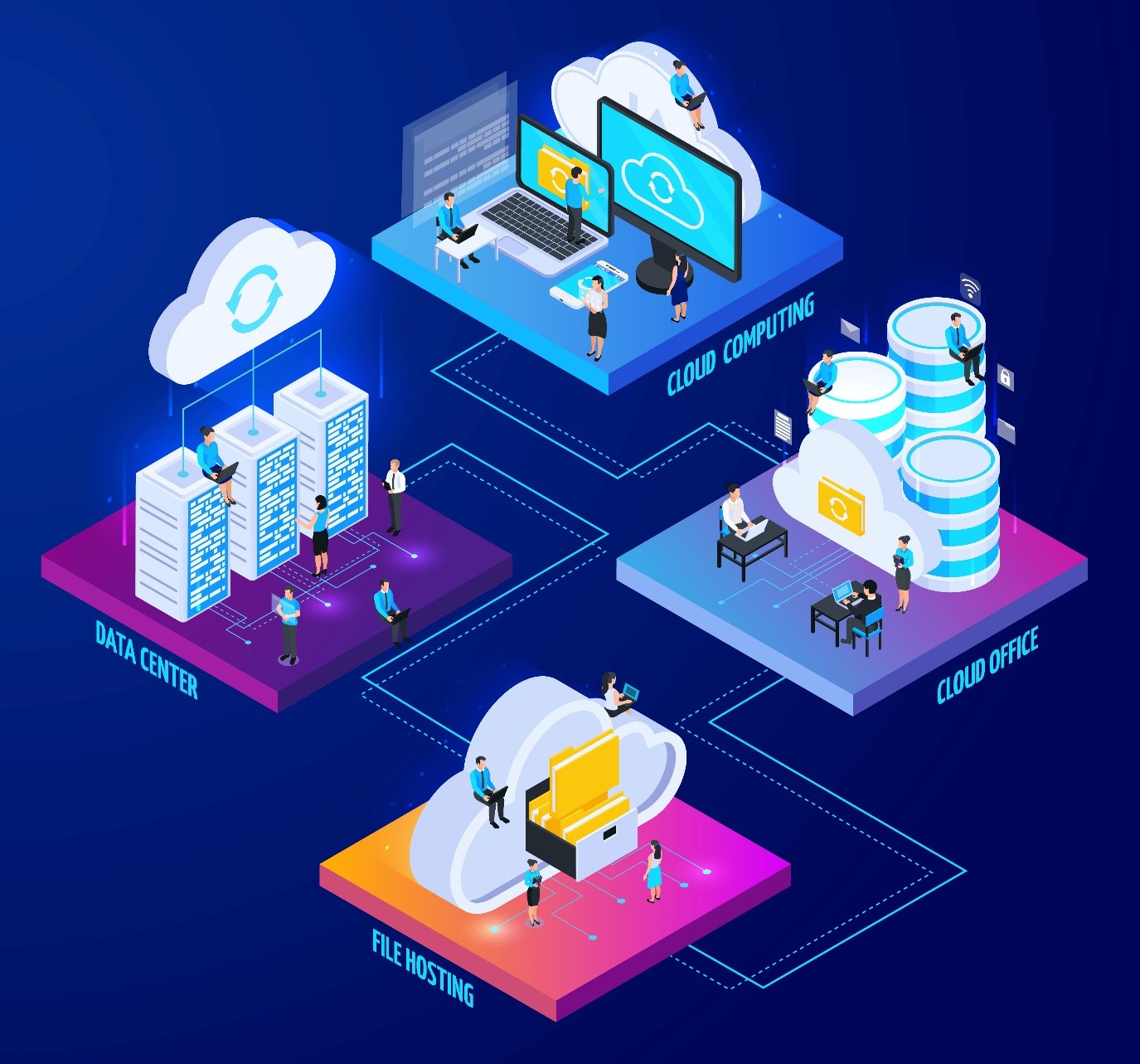
Introduction: Understanding IT Deployment Options in Hong Kong
Cloud vs On-Premise Solutions for Hong Kong Businesses: For businesses in Hong Kong, selecting the right IT infrastructure is crucial to remain competitive, secure, and efficient. As digital transformation accelerates, organizations are faced with two primary IT deployment strategies: cloud-based solutions and on-premise solutions. Each offers unique advantages, costs, and challenges, making the decision far from straightforward.
SMEs and large enterprises alike must consider factors such as budget, scalability, compliance, cybersecurity, and long-term operational efficiency. Hong Kong’s fast-paced business environment, coupled with strict data protection requirements under the Personal Data (Privacy) Ordinance (PDPO), means that companies must choose carefully to avoid downtime, data breaches, and unnecessary expenses.
This guide provides a comprehensive comparison of cloud and on-premise solutions, highlighting the benefits, drawbacks, cost implications, and deployment strategies. By the end, Hong Kong business owners will have the insights needed to make an informed IT decision that aligns with their operational needs and growth plans.
What Are Cloud Solutions?
Cloud computing allows businesses to host applications, data, and infrastructure on remote servers, accessible via the internet. Cloud solutions are delivered in three primary models:
- SaaS (Software as a Service): Cloud-hosted applications, such as Microsoft 365 or Google Workspace, accessible from anywhere.
- PaaS (Platform as a Service): Platforms that allow developers to build, test, and deploy applications without managing the underlying infrastructure.
- IaaS (Infrastructure as a Service): Complete virtualized infrastructure, including servers, storage, and networking resources, managed by cloud providers.
For Hong Kong businesses, the advantages of cloud solutions include:
- Scalability: Easily adjust computing resources to match business growth or seasonal demand.
- Cost-effectiveness: Pay-as-you-go subscription models reduce upfront capital expenditure.
- Remote accessibility: Employees can access systems from anywhere, supporting hybrid or remote work setups.
- Automatic updates: Providers manage software updates and patches, reducing the burden on internal IT teams.
- Disaster recovery: Cloud solutions often include backup and recovery capabilities to ensure business continuity.
Cloud adoption in Hong Kong is particularly relevant for SMEs looking for affordable IT solutions that scale as the business grows. Industries like finance, retail, and logistics can benefit from rapid deployment, flexible access, and enhanced collaboration tools.
What Are On-Premise Solutions?
On-premise solutions refer to IT infrastructure hosted physically within a company’s premises. This typically includes servers, storage devices, networking hardware, and software licenses, all managed internally.
Advantages for Hong Kong Businesses:
- Control: Complete authority over data, hardware, and software configurations.
- Security: On-premise setups can be highly secure, as businesses can implement internal protocols without depending on third-party providers.
- Customization: IT teams can tailor hardware and software to the organization’s exact needs.
- Compliance: Industries dealing with sensitive customer data, such as finance and healthcare, can maintain tighter control to comply with PDPO and industry standards.
While on-premise solutions offer these advantages, they also involve higher upfront costs, ongoing maintenance, and the need for dedicated IT staff. For SMEs in Hong Kong, this approach may be more suitable for businesses that require full control over their IT infrastructure or operate in highly regulated industries.
Key Differences Between Cloud and On-Premise Solutions
| Feature | Cloud | On-Premise |
| Cost | Subscription-based, lower upfront cost | High upfront investment in hardware/software |
| Scalability | Easily scalable | Limited by physical infrastructure |
| Maintenance | Managed by provider | Managed internally |
| Security & Compliance | Shared responsibility, provider ensures standard security | Full control over security, can tailor to regulations |
| Accessibility | Access from anywhere, remote work friendly | Usually office-based access |
| Updates & Upgrades | Automatic updates by provider | Managed internally, may require downtime |
Understanding these differences helps Hong Kong businesses choose a solution aligned with their operational needs, budget, and risk tolerance.
Advantages of Cloud Solutions for Hong Kong Businesses

- Flexibility and Remote Access: Cloud solutions allow employees to access applications and data from anywhere, crucial for Hong Kong businesses supporting hybrid work models.
- Reduced IT Maintenance Burden: The cloud provider handles server updates, patches, and infrastructure monitoring. SMEs can focus on core business functions instead of IT troubleshooting.
- Cost Savings: Eliminates the need for expensive hardware investments, with predictable subscription costs.
- Rapid Deployment: Cloud systems can be implemented quickly, allowing businesses to start using applications without lengthy installation processes.
- Disaster Recovery: Cloud backup solutions ensure business continuity in case of hardware failure or data loss.
Advantages of On-Premise Solutions for Hong Kong Businesses
- Full Control: Businesses have complete authority over hardware, software, and data management.
- Enhanced Security: Sensitive business data stays on-site, which may be preferable for regulated industries.
- Customization: IT teams can customize configurations to specific business workflows.
- Reduced Dependency on Internet Connectivity: On-premise systems can continue operations even during internet outages.
- Predictable Long-Term Costs: Once hardware and software are purchased, ongoing costs may be lower than long-term cloud subscriptions.
Common Challenges and Risks
Cloud Challenges:
- Data privacy concerns due to third-party storage
- Vendor lock-in risks if migrating later
- Recurring subscription costs
- Dependency on reliable internet connectivity
On-Premise Challenges:
- High upfront hardware and software costs
- Scalability limitations
- Maintenance and IT staff requirements
- Risk of physical hardware failure
Both solutions require cybersecurity considerations. For Hong Kong businesses, compliance with PDPO and securing sensitive customer or business data is critical.
Cost Analysis: Cloud vs On-Premise
- Cloud: Lower upfront cost, predictable monthly subscriptions, less IT staff required.
- On-Premise: High upfront investment, ongoing maintenance costs, IT personnel salaries.
- Hybrid Consideration: Some businesses use a hybrid model to optimize costs while keeping critical data on-premise.
SMEs should perform a Total Cost of Ownership (TCO) analysis over 3–5 years to determine the most cost-effective option.
Factors Hong Kong Businesses Should Consider
- Business size and growth projections
- Regulatory and compliance needs
- Availability of internal IT staff
- Data security requirements
- Integration with existing systems
- Budget and cost predictability
Hybrid Solutions: The Best of Both Worlds
Hybrid models combine cloud and on-premise solutions, offering:
- Flexibility for scalable workloads
- Enhanced security for sensitive data
- Cost optimization for non-critical applications
This approach is ideal for SMEs in Hong Kong that want control over critical data but also need scalable, cloud-based applications for collaboration.
How to Choose the Right IT Deployment Strategy
- Assess business goals and growth plans
- Identify regulatory requirements and data sensitivity
- Evaluate current IT infrastructure and staff expertise
- Compare long-term costs and ROI
- Consult with professional IT service providers for deployment guidance
Future Trends in IT Deployment for Hong Kong Businesses
- AI-driven cloud management and automation
- Increased adoption of hybrid and edge computing
- Enhanced security and compliance integration in cloud services
- Greater use of cloud collaboration tools for remote teams
Frequently Asked Questions (FAQ)
- What is the difference between cloud and on-premise solutions?
Cloud solutions are hosted remotely, while on-premise solutions are maintained on-site. Cloud offers flexibility and lower upfront costs; on-premise provides control and security. - Which solution is more cost-effective for SMEs in Hong Kong?
Cloud is usually more cost-effective for SMEs due to lower upfront costs and predictable subscriptions. On-premise may suit larger or highly regulated businesses. - Is cloud computing secure for Hong Kong businesses?
Yes, with proper configurations, encryption, and compliance checks, cloud platforms are secure. Businesses must follow PDPO and cybersecurity best practices. - Can businesses switch from on-premise to cloud later?
Yes, many businesses adopt hybrid strategies initially, allowing gradual migration to cloud as business needs evolve. - Are hybrid solutions suitable for SMEs?
Yes, hybrid solutions provide the flexibility of cloud while retaining control of critical on-premise data, ideal for growth-oriented SMEs.
Conclusion: Cloud vs On-Premise Solutions for Hong Kong Businesses:
Choosing between cloud and on-premise solutions is a strategic decision for Hong Kong businesses. Cloud solutions offer flexibility, scalability, and lower upfront costs, ideal for SMEs seeking remote accessibility and reduced IT maintenance. On-premise solutions provide control, security, and customization, making them suitable for regulated industries or businesses with existing IT staff.
Hybrid deployment offers the best of both worlds, balancing flexibility, security, and cost-effectiveness. By assessing business size, compliance requirements, cost, and growth plans, Hong Kong businesses can implement an IT strategy that maximizes efficiency, protects sensitive data, and supports future expansion. Professional IT guidance ensures smooth deployment, ongoing maintenance, and long-term success.