

In today’s competitive and security-conscious business environment, protecting assets, employees, and customers is more important than ever. Theft, vandalism, employee misconduct, and operational inefficiencies can cause significant financial losses. That’s why many organizations are asking: What are the benefits of CCTV for businesses?
CCTV (Closed-Circuit Television) systems provide continuous video surveillance that enhances security, deters crime, improves employee accountability, supports legal protection, and delivers valuable operational insights. Modern CCTV solutions go beyond simple recording—they offer remote monitoring, AI-powered analytics, and integration with other business systems.
Whether you operate a retail store, corporate office, warehouse, hospital, or educational institution, CCTV has become an essential part of modern business infrastructure.
This comprehensive guide explains how CCTV works, its key advantages, industry-specific benefits, ROI impact, and how to choose the right system for your organization.
What Is CCTV and How Does It Work?
CCTV stands for Closed-Circuit Television. Unlike public broadcasting systems, CCTV transmits video signals to a limited set of monitors or storage devices. This creates a secure and controlled surveillance environment.
Modern CCTV systems typically include:
- Surveillance cameras
- DVR (Digital Video Recorder) or NVR (Network Video Recorder)
- Storage devices (HDD or cloud storage)
- Monitoring screens
- Remote viewing software or mobile apps
There are two primary types of systems:
Analog CCTV
Uses coaxial cables and DVR systems. Suitable for smaller setups but limited in scalability.
IP CCTV (Internet Protocol)
Uses network cables and NVR systems. Provides higher resolution, remote access, and advanced analytics.
Cameras capture video footage and transmit it to recording devices. Businesses can monitor footage in real-time or review recorded clips when needed. Many modern systems support:
- Motion detection alerts
- Night vision
- AI-based object recognition
- Remote cloud access
CCTV has evolved from a passive recording tool into an intelligent business security solution.
What Are the Benefits of CCTV for Businesses?
The benefits of CCTV for businesses include crime prevention, improved employee productivity, enhanced workplace safety, real-time monitoring, legal protection, cost savings, customer security, and better operational control.
Let’s explore these benefits in depth.
1. Crime Prevention and Theft Deterrence
One of the most significant benefits of CCTV is crime prevention. Visible surveillance cameras act as a psychological deterrent. Criminals are far less likely to target a business that has active monitoring.
CCTV helps prevent:
- Shoplifting
- Burglary
- Internal theft
- Vandalism
- Unauthorized access
Internal theft can be just as damaging as external crime. Employees may engage in time theft, inventory manipulation, or unauthorized activities. Knowing that cameras are installed encourages ethical behavior and accountability.
Businesses with CCTV systems often report reduced theft-related losses. The presence of cameras alone can dramatically lower security risks.
2. Improved Employee Productivity and Accountability
CCTV systems not only protect against crime—they also improve workplace discipline.
When employees know they are being monitored professionally and ethically, they tend to:
- Follow company policies
- Maintain punctuality
- Focus on assigned tasks
- Reduce unnecessary downtime
Managers can also use footage to analyze workflow patterns and identify inefficiencies. For example:
- Are staff members handling customers properly?
- Are warehouse workers following safety procedures?
- Are employees adhering to operational guidelines?
This promotes a culture of accountability without requiring constant physical supervision.
3. Enhanced Workplace Safety
Safety is a major concern for businesses, especially in industrial or high-risk environments. CCTV systems help monitor hazardous areas and ensure safety compliance.
Examples include:
- Monitoring machinery operations
- Observing warehouse loading zones
- Tracking restricted access areas
- Ensuring compliance with safety protocols
In case of accidents, recorded footage provides accurate documentation. This can:
- Clarify what happened
- Prevent false claims
- Support insurance processes
- Improve safety policies
CCTV contributes to creating a safer working environment for everyone.
4. Real-Time Remote Monitoring
Modern IP CCTV systems allow business owners and managers to monitor their premises from anywhere.
Using secure mobile apps or web dashboards, you can:
- View live feeds
- Access recorded footage
- Receive motion alerts
- Monitor multiple branches
For multi-location businesses, this is especially valuable. Owners can supervise operations across different cities without being physically present.
Remote monitoring increases control and peace of mind.
5. Evidence Collection and Legal Protection
In case of disputes, CCTV footage serves as reliable evidence.
It can help in:
- Legal disputes
- Employee misconduct cases
- Customer complaints
- Insurance claims
- Theft investigations
Having video proof protects businesses from false accusations. It also speeds up investigations and reduces legal risks.
Insurance companies may even favor businesses with surveillance systems because they reduce risk exposure.
6. Reduced Security Costs
While CCTV requires an upfront investment, it often reduces long-term security expenses.
Compared to hiring multiple security guards, surveillance systems:
- Provide 24/7 monitoring
- Require minimal manpower
- Operate continuously
- Cover large areas
CCTV does not replace human security entirely but enhances efficiency. A smaller security team can monitor multiple cameras simultaneously.
This results in better resource allocation and lower recurring costs.
7. Improved Customer and Visitor Safety
Customers feel safer in monitored environments. Retail stores, banks, hotels, and offices benefit from increased customer confidence.
CCTV helps:
- Monitor entry and exit points
- Prevent harassment
- Control crowd behavior
- Enhance parking lot security
A secure environment strengthens brand reputation and customer trust.
8. Operational Insights and Business Optimization
Beyond security, CCTV offers operational advantages.
Managers can analyze:
- Customer flow patterns
- Peak business hours
- Staff performance
- Queue lengths
Retail businesses can adjust staffing schedules based on traffic patterns. Warehouses can optimize logistics workflows.
Modern AI-powered cameras even provide:
- Heat mapping
- People counting
- Behavior analytics
These insights support smarter business decisions.
Industry-Specific Benefits of CCTV
Retail Businesses
- Prevent shoplifting
- Monitor POS transactions
- Track customer behavior
Corporate Offices
- Protect intellectual property
- Monitor access control areas
- Enhance employee security
Warehouses & Logistics
- Monitor inventory
- Secure loading docks
- Prevent cargo theft
Healthcare Facilities
- Ensure patient safety
- Monitor restricted areas
- Prevent unauthorized access
Educational Institutions
- Protect students and staff
- Monitor campus activities
- Enhance emergency response
CCTV systems can be customized based on industry needs.
ROI of CCTV Systems | The Benefits of CCTV for Businesses
Return on investment (ROI) is one of the strongest arguments for CCTV installation.
Consider this example:
If a retail store loses $1,000 monthly due to shoplifting, annual losses reach $12,000. A properly installed CCTV system costing $5,000 can significantly reduce theft, paying for itself within months.
Additional ROI factors include:
- Reduced insurance premiums
- Lower theft losses
- Fewer legal disputes
- Improved productivity
CCTV is not an expense—it is a strategic investment.
Legal and Privacy Considerations
Businesses must follow ethical and legal guidelines.
Best practices include:
- Informing employees about surveillance
- Installing visible signage
- Avoiding private areas (restrooms, locker rooms)
- Securing stored footage
- Following local data protection laws
Responsible usage builds trust and compliance.
How to Choose the Right CCTV System for Your Business
To maximize benefits:
- Assess security risks
- Identify coverage areas
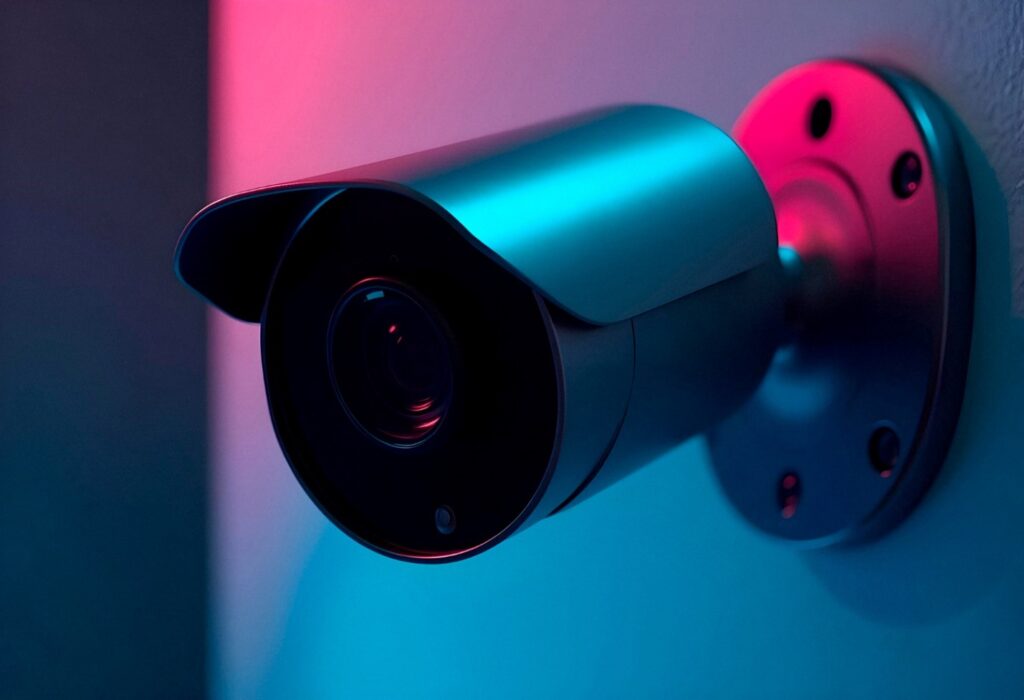
- Choose camera types (dome, bullet, PTZ)
- Determine storage requirements
- Consider remote access features
- Integrate with alarm or access control systems
Professional consultation ensures proper planning and installation.
Conclusion: The Benefits of CCTV for Businesses
So, what are the benefits of CCTV for businesses?
CCTV enhances security, reduces crime, improves productivity, strengthens legal protection, and provides valuable operational insights. It offers long-term cost savings and scalable protection for businesses of all sizes.
In a world where security and efficiency define success, CCTV is no longer optional—it is essential infrastructure.