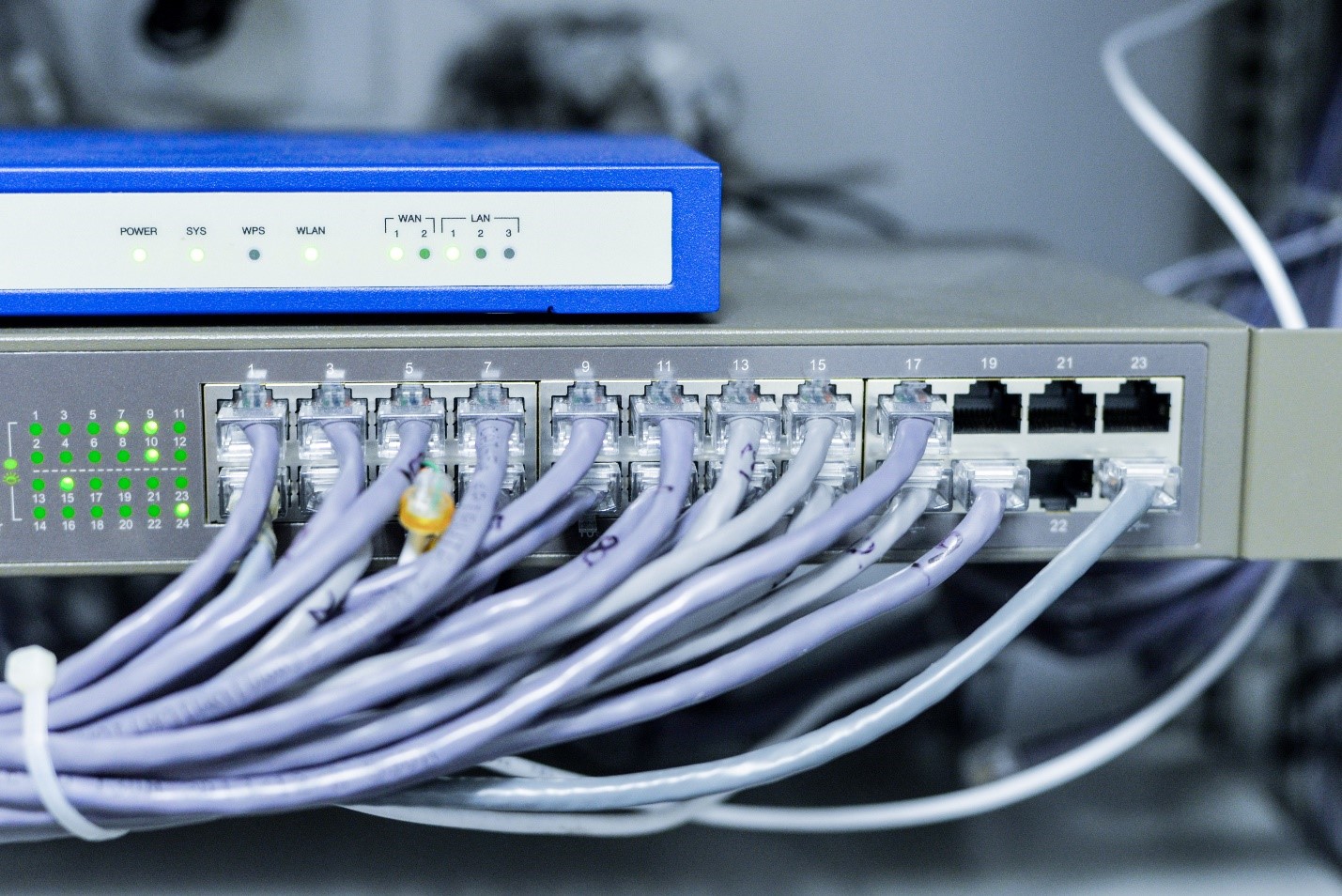
Structured Cabling for Offices in HK: In today’s fast-paced business environment, a reliable and efficient IT infrastructure is no longer a luxury—it is a critical component of operational success. Offices in Hong Kong face unique challenges due to high-density workspaces, increasing data demands, and the need for advanced connectivity. Many businesses still rely on traditional or unorganized cabling systems, which can cause slow internet speeds, frequent network disruptions, and high maintenance costs.

Structured cabling is the backbone of modern office IT infrastructure. It provides a well-organized, scalable, and future-ready network that supports computers, VoIP systems, high-speed Wi-Fi, security systems, and IoT-enabled devices. Beyond technical reliability, structured cabling helps offices in Hong Kong improve productivity, operational efficiency, and overall employee satisfaction.

This guide explores the benefits of structured cabling for offices in HK, detailing how it supports modern technologies, reduces costs, and serves as a strategic investment for businesses seeking long-term growth and stability.

1. Introduction

Hong Kong is a bustling hub of business activity, hosting everything from small startups to large multinational corporations. The city’s offices depend heavily on digital technology to run daily operations, manage internal and external communications, and ensure seamless collaboration. Cloud computing, video conferencing, VoIP communication, and smart office devices have become indispensable in this landscape.

However, many offices encounter frequent network problems due to outdated or unstructured cabling systems. These issues can result in slow connectivity, data packet loss, and frequent service interruptions, which directly impact productivity and business efficiency. For offices in Hong Kong, where competition is high and every minute counts, such disruptions can be costly.

Structured cabling offers a systematic solution. It provides a standardized framework for all network connections, ensuring that cables are organized, easily managed, and capable of supporting current and future technology needs. Unlike traditional cabling, which can become tangled and difficult to troubleshoot, structured cabling simplifies maintenance, improves reliability, and allows for quick expansion or reconfiguration as business requirements change.

Investing in structured cabling is particularly valuable in Hong Kong due to limited office space and high workforce density. With structured cabling, IT teams can maintain efficient network performance, scale their infrastructure as needed, and provide employees with seamless access to essential digital tools.

2. What is Structured Cabling?
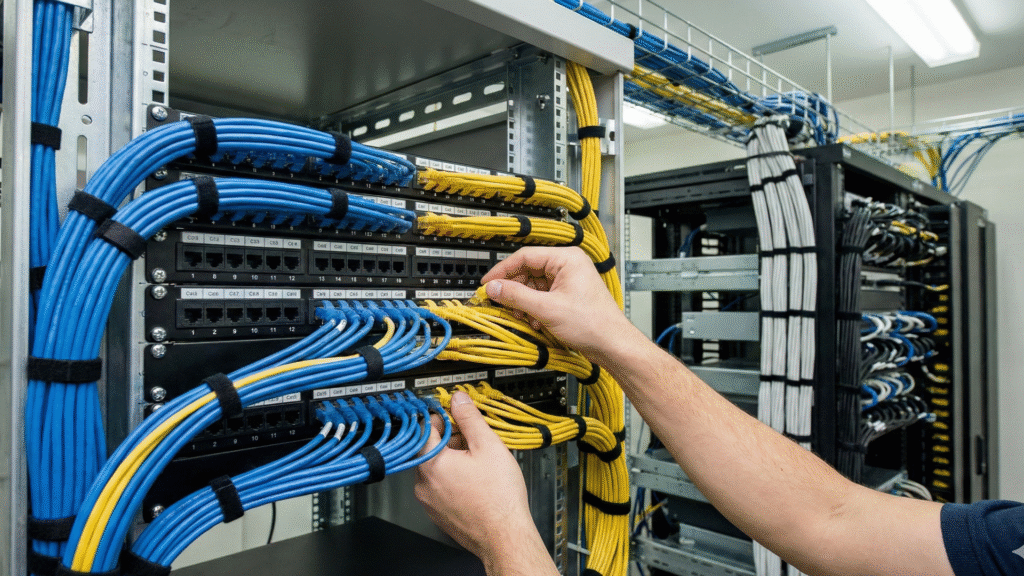
What is Structured Cabling
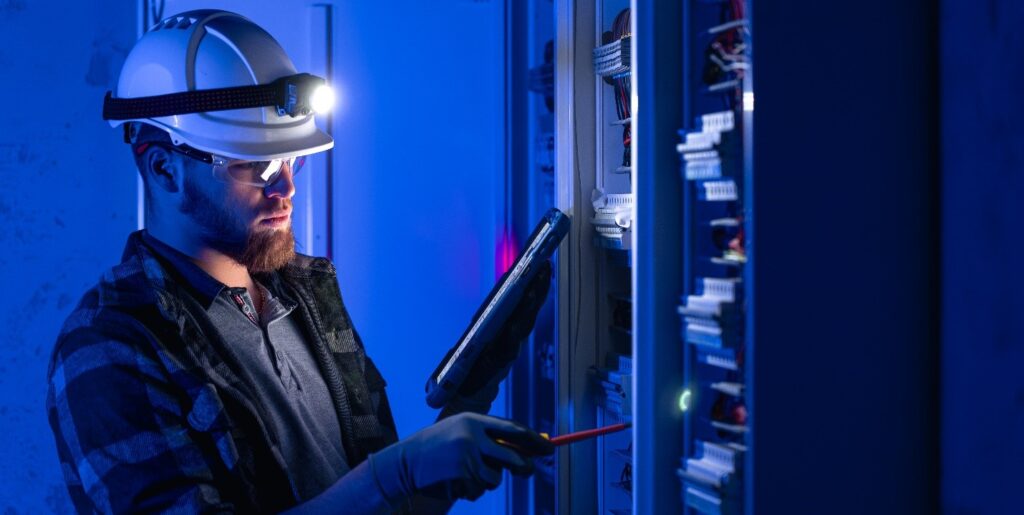
Voltage distributor with automatic switches. Electrical background.

Structured cabling is a standardized system of cables and hardware designed to support multiple communication systems—including voice, data, video, and wireless networks—through a unified infrastructure. It provides a framework for offices to organize their network connections efficiently, reducing downtime and ensuring seamless connectivity.

Unlike traditional cabling, which may involve ad-hoc installations and uncoordinated wiring, structured cabling follows industry standards, such as ISO/IEC 11801. This ensures consistency, reliability, and future scalability, allowing businesses to add or relocate devices without disrupting existing systems.

In Hong Kong, structured cabling is particularly relevant due to space constraints and the high density of employees and devices. Traditional cabling may meet basic needs, but as offices expand their technology footprint with cloud services, VoIP systems, and smart devices, structured cabling becomes essential for maintaining high performance and reliability.

Structured cabling is designed to support both current and future technological demands. Its flexible design accommodates higher bandwidths, faster internet speeds, and multiple device connections simultaneously, ensuring that offices can scale their infrastructure without major overhauls.

Example: A law firm in Central Hong Kong with multiple floors can use structured cabling to ensure that every workstation, conference room, and security device is connected through a centralized, manageable network. Adding new floors or devices requires minimal disruption to the existing infrastructure.

Structured cabling is more than just a technical upgrade—it’s a strategic investment that ensures offices in HK are prepared for long-term growth and technological advancement.

3. Key Components of Structured Cabling

A structured cabling system is made up of several critical components, each playing a vital role in maintaining network efficiency, reliability, and scalability. Understanding these components is essential for businesses planning to implement structured cabling in Hong Kong offices.

a) Horizontal Cabling

Horizontal cabling connects telecommunications rooms to individual workstations. It typically uses twisted pair (Cat6, Cat6a) or fiber optic cables, depending on bandwidth and distance requirements.

  • Purpose: Ensures every workstation, printer, VoIP phone, and Wi-Fi access point receives consistent connectivity.
  • Benefit: Maintains high-speed LAN performance across all departments.

In Hong Kong offices, horizontal cabling helps maximize limited workspace while ensuring that connectivity remains strong across multiple devices. Properly installed horizontal cabling minimizes interference, improves signal quality, and reduces network downtime, which is essential for productivity.

b) Backbone Cabling

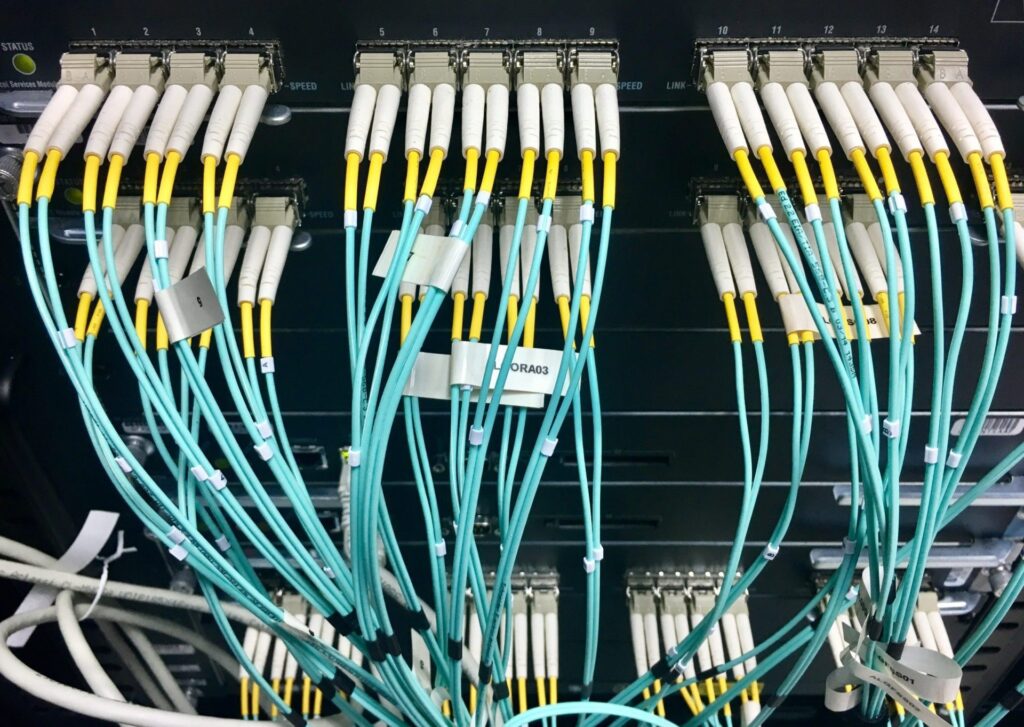
Backbone cabling connects telecommunications rooms, floors, and core networking equipment. High-capacity fiber optic or copper cables are typically used to handle large amounts of data.

  • Purpose: Provides seamless interconnection between floors, departments, and network infrastructure.
  • Benefit: Supports enterprise applications, cloud services, and high-speed internet across the entire office.

For multi-floor offices in Hong Kong, backbone cabling ensures that all workstations, servers, and devices are interconnected efficiently, with minimal latency and maximum reliability.

c) Patch Panels

Patch panels serve as central hubs where horizontal and backbone cables terminate. They make network management easier and allow IT teams to troubleshoot and manage connections efficiently.

  • Purpose: Centralizes cable connections for easy maintenance.
  • Benefit: Reduces troubleshooting time and prevents network-wide disruptions.

d) Racks and Enclosures

Racks and enclosures provide a neat and secure location for switches, servers, and patch panels.

  • Purpose: Organizes networking equipment and maintains airflow for proper cooling.
  • Benefit: Reduces clutter, enhances network reliability, and ensures a professional setup.

e) Cable Management Accessories

Cable trays, ladders, and labels help maintain order and accessibility.

  • Purpose: Organizes cables for easy identification and future upgrades.
  • Benefit: Reduces accidental disconnections and ensures a professional, manageable network setup.

f) Connectors and Faceplates

High-quality connectors and faceplates ensure stable connections at each workstation while providing a clean, professional finish.

  • Purpose: Maintains reliable connections for devices and endpoints.
  • Benefit: Reduces downtime due to connectivity issues and enhances the office appearance.

4. Why Structured Cabling is Essential for HK Offices
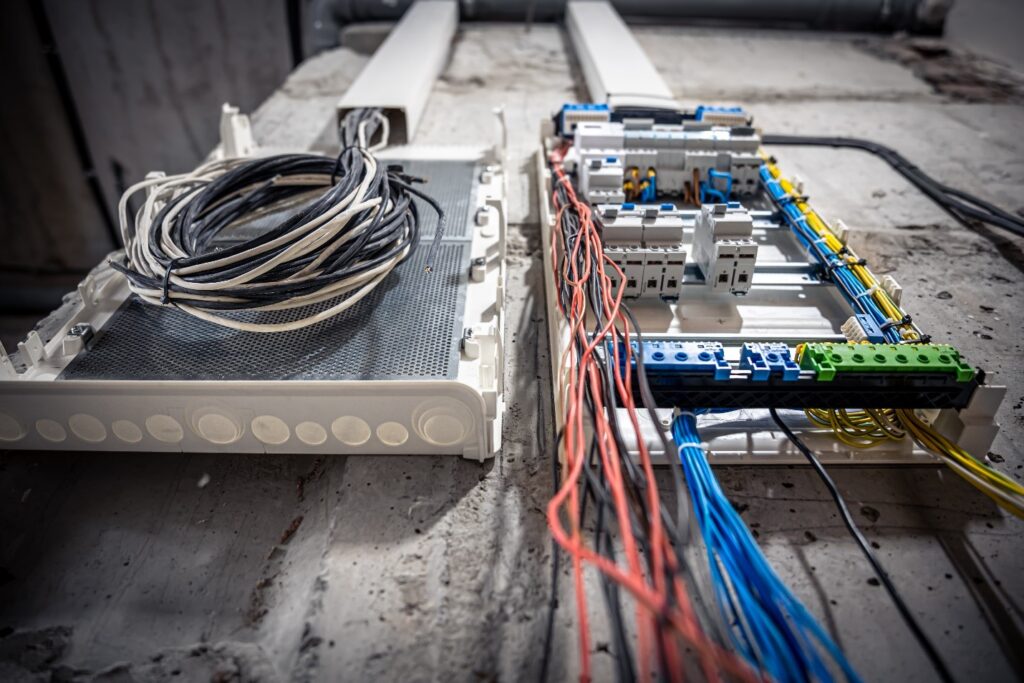
Why Structured Cabling is Essential for HK Offices

Hong Kong offices operate in an environment characterized by space limitations, high workforce density, and a reliance on digital technologies. Structured cabling provides solutions to these unique challenges.

  1. High-Density Workspaces: Offices often have limited floor space. Structured cabling allows organized routing of cables, preventing clutter and maintaining a professional workspace.
  2. Data-Intensive Workflows: Businesses rely heavily on cloud computing, collaborative tools, and VoIP systems. Structured cabling ensures consistent high-speed connectivity for all these applications.
  3. Rapid Technological Adoption: IoT devices, smart office solutions, and automated systems require a network that is scalable and flexible. Structured cabling supports these technologies seamlessly.
  4. Business Continuity: Downtime caused by unorganized cabling can disrupt operations and result in lost productivity. Structured cabling provides a reliable backbone to minimize such risks.

Example: A financial services office in Central HK with hundreds of connected devices can benefit immensely from structured cabling, ensuring seamless connectivity for computers, phones, Wi-Fi, and security systems, while allowing for future expansion.

Structured cabling is no longer optional—it is a strategic necessity for offices that want reliable, efficient, and future-ready networks.

5. Main Benefits of Structured Cabling for Offices in HK
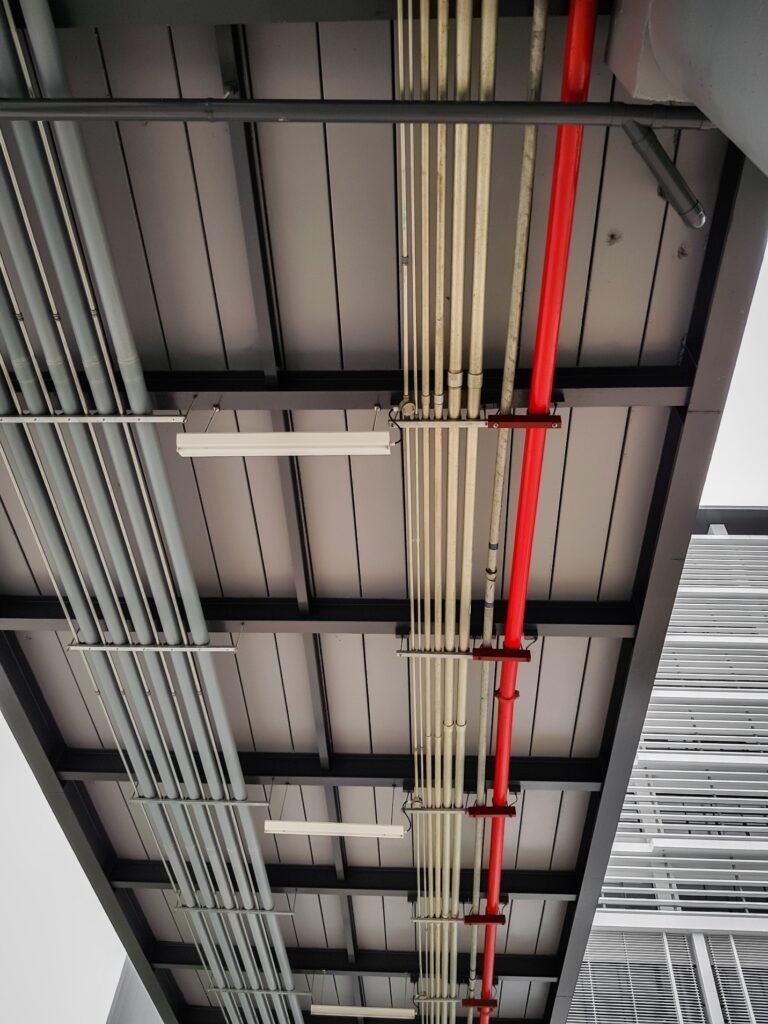
Main Benefits of Structured Cabling for Offices in HK

a) Improved Network Performance

Structured cabling ensures fast and reliable data transmission by reducing packet loss, latency, and network interruptions. With proper installation, offices can support high-bandwidth applications, video conferencing, and cloud computing without experiencing connectivity issues.

Example: An HK marketing agency can have multiple teams working on HD video editing, cloud-based design tools, and VoIP calls simultaneously without network slowdowns.

b) Scalability and Flexibility

Structured cabling provides the flexibility to add or move workstations, devices, or even entire floors without disrupting the existing network.

Scenario: A startup in Kowloon expands to a new office floor. With structured cabling, they can connect all new devices seamlessly, avoiding downtime and unnecessary rewiring costs.

c) Reduced Downtime and Maintenance Costs

A well-organized cabling system simplifies troubleshooting. IT teams can identify issues quickly, reducing downtime and lowering operational costs.

Statistic: Companies with structured cabling report up to 50% less network downtime compared to offices with unstructured systems.

d) Organized Cable Management

Structured cabling ensures a professional and organized workspace, using color-coded cables, labels, and organized racks.

  • Simplifies upgrades and maintenance.
  • Reduces accidental disconnections.
  • Improves office aesthetics, boosting employee satisfaction.

e) Future-Proofing IT Infrastructure

Structured cabling prepares offices for emerging technologies:

  • Cloud computing
  • IoT-enabled devices
  • VoIP and video conferencing
  • High-bandwidth applications

It ensures that offices in HK can scale and adapt without major infrastructure changes.

f) Long-Term Cost Efficiency

Though initial investment may be higher, structured cabling saves money over time by:

  • Minimizing downtime
  • Reducing maintenance costs
  • Avoiding frequent rewiring or infrastructure upgrades

6. Structured Cabling Supporting Modern Office Technologies

Modern offices in Hong Kong rely on a range of advanced technologies that require a stable and high-performance network. Structured cabling plays a critical role in supporting these technologies efficiently and reliably.

High-Speed Internet and Wi-Fi Deployment

Structured cabling provides a robust backbone for high-speed internet. In offices where multiple employees access cloud services, conduct online meetings, or stream content simultaneously, network reliability is crucial.

Properly installed cabling ensures consistent bandwidth distribution, reducing bottlenecks and improving overall productivity. In Hong Kong, where office buildings often have multiple floors and dense workstations, structured cabling allows seamless Wi-Fi deployment across the entire office space. This ensures that every device—from laptops to mobile phones—has reliable access to the network without interruptions.

Additionally, structured cabling reduces signal interference and ensures low latency connections, which is critical for tasks such as video conferencing, VoIP calls, and collaborative cloud applications. For instance, a financial trading firm in Central Hong Kong can maintain uninterrupted real-time market data streaming, which is essential for decision-making and operational efficiency.

IP Telephony and Video Conferencing

Structured cabling supports VoIP and video conferencing systems by providing dedicated and stable connections. Unlike traditional cabling, which may cause call drops or low-quality audio/video, structured cabling ensures high-quality, uninterrupted communications.

For HK offices with frequent international collaboration, structured cabling ensures that employees can conduct HD video calls, share large files in real-time, and use VoIP systems without disruption. This is especially beneficial for consulting firms, law offices, and multinational corporations where communication reliability directly affects client satisfaction.

Security Systems Integration

Modern offices rely on integrated security systems, including CCTV cameras, access control systems, and alarm systems. Structured cabling allows efficient deployment of these devices by providing centralized wiring that connects all endpoints to network servers or monitoring stations.

With structured cabling, IT teams can manage security systems without additional cabling chaos, ensuring that cameras, sensors, and access points work reliably. For example, an office building in Kowloon can monitor all entry points through a centralized system without signal loss or network interference.

Smart Office and IoT Devices

Structured cabling also supports smart office and IoT devices, including automated lighting, climate control, and occupancy sensors. By providing a reliable network backbone, structured cabling ensures that these devices operate efficiently and communicate effectively with central management systems.

This allows offices in Hong Kong to optimize energy consumption, enhance comfort, and improve overall operational efficiency. For example, an office can automate temperature adjustments based on occupancy patterns while ensuring that all IoT sensors remain fully connected and responsive.

7. How to Choose the Right Structured Cabling Provider in HK

Selecting a qualified structured cabling provider is critical for successful implementation. Not all providers offer the same level of expertise, quality, or service. Here are some essential factors to consider when choosing a provider in Hong Kong.

Technical Expertise and Certifications

Choose a provider with certified technicians experienced in structured cabling installation. Certifications such as BICSI, ISO/IEC standards, and vendor-specific training indicate that the provider can implement best practices and maintain industry standards.

An experienced provider can also design custom solutions that cater to the specific needs of your office, whether it’s a high-rise building, a co-working space, or a multi-floor corporate office. This ensures optimal cable routing, minimal interference, and future scalability.

Local Experience and Support

A provider with experience in Hong Kong understands local building codes, regulations, and environmental challenges. They can navigate high-rise buildings, limited space layouts, and other unique factors effectively.

Additionally, local providers can offer quick on-site support, reducing downtime in case of network issues. This is particularly important for businesses that rely on continuous connectivity, such as financial firms, healthcare providers, and call centers.

Customization and Scalability

Your structured cabling system should be tailored to your office size, layout, and growth plans. A reputable provider will design a network that is scalable, allowing you to add workstations, devices, or even new floors without major rewiring.

Custom solutions may include color-coded cable management, labeled patch panels, and strategically placed backbone connections, all designed to make maintenance and expansion as seamless as possible.

Compliance with Standards

Ensure the provider follows international and local standards for structured cabling, such as ISO/IEC 11801, ANSI/TIA, and Hong Kong building regulations. Compliance guarantees reliability, safety, and long-term performance.

8. Step-by-Step Guide to Implement Structured Cabling
Step-by-Step Guide to Implement Structured Cabling

Implementing structured cabling requires careful planning and execution. Here is a detailed step-by-step guide for offices in Hong Kong.

Step 1: Assessment

The first step is to assess the current office layout and network infrastructure. Evaluate:

  • Number of floors and workstations
  • Existing cabling and network devices
  • Future expansion plans
  • Bandwidth and technology requirements

A thorough assessment ensures that the structured cabling system will meet both current and future needs.

Step 2: Design

Next, design a structured cabling plan that includes:

  • Horizontal and backbone cabling routes
  • Patch panel and switch placement
  • Cable management strategies
  • Labeling and documentation plans

Designing before installation ensures a tidy, organized, and scalable network.

Step 3: Installation

During installation:

  • Route horizontal and backbone cables according to the design plan
  • Connect cables to patch panels and endpoints
  • Organize cables using trays, ladders, and labeling systems

Professional installation minimizes downtime and ensures network reliability.

Step 4: Testing

After installation, perform network testing to verify:

  • Connectivity and speed
  • Latency and packet loss
  • Proper functioning of all devices

Testing ensures that the network meets performance standards and reduces future troubleshooting efforts.

Step 5: Documentation

Finally, maintain detailed records of:

  • Cable routes and connections
  • Patch panel layouts
  • Device and port assignments

Documentation makes future upgrades, troubleshooting, and expansion efficient and stress-free.

9. Common Myths About Structured Cabling
Common Myths About Structured Cabling

Despite its clear benefits, some misconceptions about structured cabling still exist. Addressing these myths can help businesses make informed decisions.

Myth 1: Only Large Offices Need Structured Cabling

Many small businesses believe they don’t need structured cabling. However, even small offices benefit from organized and scalable infrastructure, which supports growth, reduces downtime, and improves employee productivity.

Myth 2: Wireless Networks Eliminate the Need for Cabling

While wireless networks are important, they depend on a stable wired backbone. Structured cabling ensures that Wi-Fi access points, VoIP systems, and other wireless devices function efficiently without interference or signal degradation.

Myth 3: Structured Cabling is Too Expensive

Although the initial investment may seem higher, structured cabling provides long-term cost savings through reduced downtime, lower maintenance costs, and easier scalability. Over time, the ROI significantly outweighs the upfront costs.

Key takeaway: Understanding the truth behind these myths helps businesses recognize structured cabling as a strategic investment, not just a technical expense.

10. Conclusion

For offices in Hong Kong, structured cabling is more than just a technical solution—it is a strategic investment. By providing a reliable, organized, and scalable network, structured cabling improves productivity, supports modern technologies, reduces downtime, and ensures future readiness.

Businesses that implement structured cabling benefit from:

  • Enhanced network performance: Reliable, high-speed connections for all devices
  • Scalability and flexibility: Easy expansion and adaptation to new technologies
  • Reduced downtime and maintenance costs: Faster troubleshooting and lower operational disruption
  • Support for modern office technologies: Wi-Fi, VoIP, video conferencing, IoT, and smart office devices
  • Professional cable management: Organized, labeled, and tidy infrastructure
  • Long-term cost efficiency: Minimizes re-cabling expenses and maximizes ROI

Structured cabling is a foundational investment for Hong Kong offices seeking efficiency, reliability, and a competitive edge in the modern business landscape.

Call to action: If your office in HK is ready to enhance connectivity, future-proof your network, and support modern technologies, now is the time to invest in a professional structured cabling solution.

Introduction

Choosing the right IT solutions company in Hong Kong is one of the most important decisions a business can make in today’s digital-first economy. Whether you are a startup, SME, or enterprise, your IT partner directly impacts your operational efficiency, data security, scalability, and long-term growth.

Hong Kong is a global business hub with a highly competitive and technology-driven market. Companies operating here rely heavily on stable IT infrastructure, cybersecurity, cloud solutions, and ongoing technical support. A wrong decision can lead to system downtime, security breaches, wasted budgets, and stalled growth. On the other hand, the right IT solutions provider can help your business streamline operations, reduce costs, and stay competitive.

This comprehensive guide explains how to choose an IT solutions company in Hong Kong step by step. You will learn what IT solutions companies do, why choosing a local Hong Kong provider matters, which factors you should evaluate, what questions to ask, common mistakes to avoid, and how the right IT partner can help your business grow.

By the end of this article, you will have a clear decision-making framework to confidently select the best IT solutions company for your business needs.

What Is an IT Solutions Company?

An IT solutions company is a professional service provider that helps businesses plan, implement, manage, and optimize their information technology systems. These companies offer a combination of consulting, technical services, and ongoing support to ensure that a business’s IT environment runs smoothly, securely, and efficiently.

Unlike a single-service IT vendor, a full-service IT solutions company provides end-to-end technology support aligned with business goals.

Common IT Services Offered by IT Solutions Companies in Hong Kong

Most IT solutions companies in Hong Kong provide services such as:

  • Managed IT support and maintenance
  • Cloud solutions (AWS, Microsoft Azure, Google Cloud)
  • Cybersecurity and data protection
  • IT infrastructure setup and network management
  • Software, web, and application development
  • IT consulting and digital transformation
  • Backup, disaster recovery, and business continuity planning

These services are designed to reduce technical complexity so businesses can focus on growth rather than IT problems.

Why Choosing a Hong Kong-Based IT Solutions Company Matters

Why Choosing a Hong Kong-Based IT Solutions Company Matters

Why Choose an IT Solutions Company in Hong Kong?

When selecting an IT partner, location plays a critical role—especially for compliance, support, and communication. Choosing a Hong Kong-based IT solutions company offers several advantages.

First, local IT companies understand Hong Kong’s business regulations and compliance requirements, including the Personal Data (Privacy) Ordinance (PDPO). This is essential for businesses handling customer data, financial information, or sensitive records.

Second, a local IT service provider can offer faster response times and on-site support when needed. Time zone alignment ensures smoother communication and quicker issue resolution.

Third, Hong Kong IT companies are familiar with the local market, business culture, and industry-specific challenges. This allows them to provide solutions that are practical, compliant, and tailored to your business environment.

Local vs Overseas IT Solutions Companies

While overseas providers may appear cheaper, they often come with challenges such as delayed support, communication barriers, lack of local compliance knowledge, and limited accountability. A Hong Kong IT solutions company offers better reliability, transparency, and long-term value.

Define Your Business IT Needs Before Hiring

Before you start evaluating IT solutions companies, it is essential to understand your own business requirements. Without clarity, even the best IT provider may not be the right fit.

Identify Your Key IT Requirements

Start by assessing:

  • Your company size (startup, SME, or enterprise)
  • Your industry (finance, healthcare, eCommerce, logistics, etc.)
  • Whether you need full IT outsourcing or partial support
  • Short-term needs versus long-term growth plans
  • Your monthly or project-based IT budget

For example, a fintech company in Hong Kong will prioritize cybersecurity and compliance, while an eCommerce business may focus on cloud scalability and uptime.

Having a clear list of requirements will help you shortlist IT solutions companies that specialize in your specific needs.

Key Factors to Consider When Choosing an IT Solutions Company in Hong Kong

Key Factors to Consider When Choosing an IT Solutions Company in Hong Kong

This is the most important part of the decision-making process. Evaluating the right factors ensures you choose a reliable, scalable, and secure IT partner.

Experience and Industry Expertise

Experience matters. Look for an IT solutions company in Hong Kong with a proven track record and experience in your industry. Ask how long they have been operating, what types of businesses they serve, and whether they have relevant case studies.

An experienced IT provider understands common challenges and can proactively prevent issues rather than reacting to problems after they occur.

Range of Services Offered

Choose a company that offers a comprehensive range of IT services. A one-stop IT solutions provider reduces the need to manage multiple vendors and ensures better system integration.

Key services to look for include managed IT support, cybersecurity, cloud solutions, backup and recovery, and IT consulting.

Technical Certifications and Partnerships

Professional certifications and partnerships indicate credibility and technical expertise. Look for IT solutions companies that are certified or partnered with major technology providers such as Microsoft, AWS, Google, Cisco, or VMware.

Industry standards like ISO 27001 also demonstrate strong information security practices.

Security and Compliance Standards

Cybersecurity is a top priority for businesses in Hong Kong. Your IT partner should follow strict security protocols, regular system monitoring, vulnerability assessments, and compliance with PDPO and other relevant regulations.

Ask about their approach to data protection, access control, encryption, and incident response.

Support Model and Response Time

Reliable support is critical. A good IT solutions company should offer clear Service Level Agreements (SLAs), defined response times, and 24/7 monitoring if required.

Understand how support requests are handled, how quickly issues are resolved, and whether emergency support is available.

Scalability and Long-Term Partnership

Your IT needs will evolve as your business grows. Choose an IT solutions company in Hong Kong that can scale its services and support your future expansion without major disruptions or system overhauls.

How to Evaluate the Reputation of an IT Solutions Company in Hong Kong

How to Evaluate the Reputation of an IT Solutions Company in Hong Kong

Reputation reflects reliability and trustworthiness. Before making a final decision, conduct proper due diligence.

Check Google reviews, Clutch, GoodFirms, and local business directories. Look for consistent feedback regarding service quality, response time, and professionalism.

Request client testimonials or references and review case studies that demonstrate real-world results. A reputable IT solutions company will be transparent and willing to share its success stories.

Understanding IT Solutions Pricing in Hong Kong

Common IT Pricing Models

IT solutions companies in Hong Kong typically use one of the following pricing models:

  • Fixed-price contracts for defined projects
  • Monthly managed IT service retainers
  • Pay-as-you-go or hourly support
  • Customized enterprise-level pricing

Each model has its advantages depending on your business size and needs.

Cost Considerations

Avoid choosing an IT provider based solely on the lowest price. Cheap services often result in poor support, security risks, and hidden costs. Instead, focus on value, reliability, and long-term ROI.

A transparent IT solutions company will clearly explain pricing, inclusions, exclusions, and contract terms.

Essential Questions to Ask Before Hiring an IT Solutions Company

Asking the right questions helps you evaluate whether an IT provider is the right fit.

  1. What industries do you specialize in?
  2. Do you provide on-site and remote support in Hong Kong?
  3. How do you ensure data security and compliance?
  4. What is your average response and resolution time?
  5. Can you provide case studies or client references?
  6. How do you support business growth and scalability?

Clear and confident answers indicate professionalism and expertise.

Common Mistakes to Avoid When Choosing an IT Partner

Many businesses make avoidable mistakes when selecting an IT solutions company in Hong Kong.

One common mistake is choosing based on price alone. Another is failing to review SLAs, security policies, or long-term scalability. Poor communication and unclear responsibilities can also lead to frustration and inefficiency.

Avoid these mistakes by conducting thorough evaluations and prioritizing quality over short-term savings.

How the Right IT Solutions Company Helps Your Business Grow

How the Right IT Solutions Company Helps Your Business Grow

A reliable IT solutions company is not just a service provider—it is a strategic partner.

The right IT partner improves system reliability, reduces downtime, enhances cybersecurity, and supports digital transformation. This allows your team to focus on core business activities while technology works seamlessly in the background.

Over time, strong IT support leads to better productivity, customer satisfaction, and competitive advantage.

Frequently Asked Questions (FAQs): IT Solutions Company in Hong Kong

How much does an IT solutions company cost in Hong Kong?

Costs vary depending on services, company size, and support level. Managed IT services typically range from a few hundred to several thousand USD per month.

Is it better to hire a local IT solutions company in Hong Kong?

Yes. Local providers offer better compliance knowledge, faster support, and improved communication.

What size businesses need IT solutions services?

Businesses of all sizes benefit, especially startups and SMEs without in-house IT teams.

How long does onboarding take?

Onboarding usually takes a few days to a few weeks, depending on system complexity.

Which industries benefit most from IT solutions?

Finance, healthcare, logistics, eCommerce, and professional services benefit significantly from professional IT support.

Conclusion: IT Solutions Company in Hong Kong

Choosing the right IT solutions company in Hong Kong is a strategic decision that affects every aspect of your business operations. By understanding your needs, evaluating experience, security, support, pricing, and reputation, you can confidently select an IT partner that aligns with your goals.

A reliable IT solutions company does more than fix problems—it enables growth, protects your data, and supports your long-term success. Take the time to choose wisely, and your business will reap the benefits for years to come.

Introduction

Office WiFi Survey and Deployment Services HK: In today’s digital workplace, fast, stable, and secure Wi-Fi is no longer a luxury—it is a business necessity. From video conferencing and cloud applications to internal systems and guest access, every modern office depends heavily on wireless connectivity. That is why choosing the best office WiFi survey and deployment services HK is critical for businesses operating in Hong Kong.

Hong Kong offices face unique Wi-Fi challenges. High-rise buildings, dense office environments, concrete walls, glass partitions, and interference from neighboring networks often result in weak signals, dead zones, slow speeds, and unstable connections. Many businesses try to fix these problems by adding more routers or access points, but without a proper Wi-Fi survey and professional deployment, these issues usually get worse.

This guide explains everything you need to know about office Wi-Fi survey and deployment services in Hong Kong. You will learn what a Wi-Fi survey is, why it is essential, how professional Wi-Fi deployment works, common Wi-Fi problems in HK offices, costs, how to choose the right service provider, and how expert Wi-Fi solutions can transform your workplace connectivity.

What Is an Office Wi-Fi Survey?

An office Wi-Fi survey is a professional assessment of your workspace to analyze wireless signal strength, coverage, interference, and performance. The goal of a Wi-Fi survey is to design a wireless network that provides consistent, high-speed, and secure connectivity across the entire office.

Unlike home Wi-Fi setups, office environments require careful planning due to the number of users, devices, applications, and security requirements involved.

Types of Office Wi-Fi Surveys

Professional office WiFi survey and deployment services in HK usually include one or more of the following survey types:

Passive Wi-Fi Survey
This measures signal strength, noise, and interference from existing networks without connecting to them. It helps identify coverage gaps and overlapping channels.

Active Wi-Fi Survey
This involves connecting to the network and measuring real-world performance such as throughput, latency, and packet loss.

Predictive Wi-Fi Survey
Used for new offices or renovations. Engineers use floor plans and RF modeling tools to predict optimal access point placement before installation.

Why Wi-Fi Surveys Are Essential in Hong Kong Offices

Hong Kong offices are often located in high-density commercial buildings where dozens of Wi-Fi networks operate simultaneously. Without a professional Wi-Fi survey, businesses face constant interference, poor roaming, and unreliable connections.

A proper Wi-Fi survey ensures your network is designed specifically for your office layout, user density, and business needs.

What Is Office Wi-Fi Deployment and Network Design?

What Is Office Wi-Fi Deployment and Network Design Office WiFi Survey and Deployment Services HK

Office Wi-Fi deployment is the process of installing, configuring, and optimizing a wireless network based on the findings of a Wi-Fi survey. It goes far beyond simply installing routers.

What Professional Wi-Fi Deployment Includes

  • Network architecture planning
  • Access point selection and placement
  • Cabling and mounting
  • VLAN and SSID configuration
  • Guest Wi-Fi setup
  • Security and access control
  • Performance testing and optimization

Professional deployment ensures that your Wi-Fi network is scalable, secure, and ready to support current and future business demands.

Wi-Fi Standards Used in Modern Hong Kong Offices

The best office Wi-Fi survey and deployment services HK typically support:

  • Wi-Fi 5 (802.11ac) – Suitable for small offices
  • Wi-Fi 6 (802.11ax) – Ideal for high-density environments
  • Wi-Fi 6E – Uses 6GHz band for reduced interference

Enterprise-grade hardware ensures better performance, security, and reliability compared to consumer routers.

Why Businesses Need Professional Office WiFi Survey and Deployment Services in HK

Why Businesses Need Professional Office Wi-Fi Survey and Deployment Services in HK

Benefits of Professional Wi-Fi Services in Hong Kong

Choosing expert office Wi-Fi services in Hong Kong provides measurable business benefits:

Eliminates Dead Zones
Strategic access point placement ensures full coverage across all workspaces.

Improves Speed and Stability
Optimized channel allocation and load balancing reduce congestion.

Supports High User Density
Designed to handle hundreds of devices without performance drops.

Enhances Security
Enterprise-grade encryption, authentication, and network segmentation protect sensitive data.

Reduces Downtime and IT Issues
Proactive design minimizes connectivity problems and support tickets.

In fast-paced HK business environments, reliable Wi-Fi directly impacts productivity and employee satisfaction.

Common Office Wi-Fi Problems in Hong Kong

Common Office Wi-Fi Problems in Hong Kong

Many businesses in Hong Kong experience Wi-Fi issues due to poor planning or outdated infrastructure.

Most Common Wi-Fi Issues in HK Offices

Weak Signals in High-Rise Buildings
Concrete walls, glass panels, and metal structures block wireless signals.

Interference from Nearby Offices
Multiple overlapping networks cause channel congestion and instability.

Slow Wi-Fi During Peak Hours
Poor capacity planning leads to bottlenecks when many users connect.

Poor Roaming Between Access Points
Employees lose connections when moving around the office.

Security Vulnerabilities
Unsecured Wi-Fi networks expose businesses to data breaches.

Professional Wi-Fi survey and deployment services in HK are designed to eliminate these issues at the root level.

What’s Included in the Best Office WiFi Survey and Deployment Services HK

This section defines what separates average providers from the best.

Site Assessment and RF Analysis

Engineers conduct an on-site inspection, review floor plans, and analyze radio frequency (RF) conditions. Signal strength, noise levels, and interference sources are measured using professional tools.

Access Point Planning and Placement

Based on survey data, access points are placed strategically to balance coverage and capacity. The goal is not “more access points,” but the right number in the right locations.

Network Design and Architecture

Professional providers design secure and scalable networks, including:

  • VLAN segmentation
  • Separate staff and guest networks
  • Quality of Service (QoS) for voice and video
  • Centralized or cloud-managed controllers

Hardware Selection

The best office Wi-Fi deployment services HK use enterprise-grade equipment from trusted vendors such as Cisco, Aruba, Ruckus, and Ubiquiti.

Installation and Configuration

This includes structured cabling, ceiling or wall mounting, controller configuration, security policies, and performance tuning.

Testing and Optimization

After deployment, engineers perform post-installation testing to verify coverage, speed, roaming, and stability. Adjustments are made to ensure optimal performance.

How to Choose the Best Office WiFi Survey and Deployment Services HK

Choosing the right provider is as important as the technology itself.

Key Factors to Consider

Experience with Hong Kong Office Environments
Look for providers with proven experience in HK commercial buildings.

Certified Network Engineers
Certifications indicate technical expertise and industry best practices.

Use of Professional Survey Tools
Tools like Ekahau or NetSpot ensure accurate RF analysis.

On-Site Support in Hong Kong
Local presence ensures faster response and accountability.

Clear SLAs and Post-Deployment Support
Ongoing support and maintenance are essential for long-term performance.

Selecting the best Best Office WiFi Survey and Deployment Services HK ensures your network performs reliably from day one.

Cost of Office WiFi Survey and Deployment Services HK

Cost of Office Wi-Fi Survey and Deployment Services in HK

Typical Pricing Factors

The cost of office Wi-Fi services in Hong Kong depends on:

  • Office size and layout
  • Number of floors
  • User and device count
  • Wi-Fi standard (Wi-Fi 5, 6, or 6E)
  • Hardware brand and quality
  • Complexity of the environment

Pricing Overview

  • Wi-Fi survey: Based on area and complexity
  • Deployment: Depends on hardware and installation scope
  • Ongoing support: Monthly or annual service plans

Professional services may cost more upfront but save money long-term by avoiding rework and performance issues.

Industries That Benefit Most from Office WiFi Survey and Deployment Services HK

Professional office Wi-Fi survey and deployment services HK are especially valuable for:

  • Corporate offices
  • Financial institutions
  • Co-working spaces
  • Retail chains and warehouses
  • Training centers and schools
  • Healthcare and professional services

Any organization with multiple users and critical connectivity needs benefits from expert Wi-Fi design.

Questions to Ask Before Hiring a Wi-Fi Service Provider

Before making a decision, ask:

  1. Do you provide on-site Wi-Fi surveys in Hong Kong?
  2. Which Wi-Fi standards and hardware do you recommend?
  3. How do you design for future growth and scalability?
  4. What security measures are included?
  5. What post-deployment support do you offer?

Clear, confident answers indicate a reliable service provider.

Common Mistakes Businesses Make with Office Wi-Fi

Many businesses unknowingly create Wi-Fi problems by:

  • Using consumer-grade routers
  • Skipping professional Wi-Fi surveys
  • Poor access point placement
  • Ignoring security best practices
  • Not planning for growth

Avoiding these mistakes requires professional Wi-Fi survey and deployment services.

FAQs – Best Office WiFi Survey and Deployment Services HK

What is an office Wi-Fi survey?
An office Wi-Fi survey analyzes signal coverage, interference, and performance to design an optimal wireless network.

How long does a Wi-Fi survey take?
Typically a few hours to a full day, depending on office size.

Is Wi-Fi 6 worth it for offices?
Yes, especially for high-density offices with many devices.

Do Wi-Fi services support multi-floor offices?
Yes, professional providers design seamless multi-floor coverage.

How often should office Wi-Fi be upgraded?
Every 3–5 years or when performance no longer meets business needs.

Conclusion: Best Office WiFi Survey and Deployment Services HK

Reliable Wi-Fi is the backbone of modern offices. Choosing the best Office WiFi Survey and Deployment Services HK ensures strong coverage, high performance, enterprise-level security, and long-term scalability.

By investing in professional Wi-Fi survey and deployment services in Hong Kong, businesses eliminate connectivity issues, improve productivity, and create a future-ready digital workspace. Instead of reacting to Wi-Fi problems, expert solutions help you get it right from the start.

CCTV & Access Control Solutions in Hong Kong: In a city as fast-paced and business-driven as Hong Kong, ensuring the safety and security of your workplace, assets, and people is not just a necessity — it’s a priority.

Whether you manage an office, retail space, data center, or industrial facility, having an integrated CCTV & Access Control System is essential to protect your operations, deter theft, and monitor activity 24/7.

At Spinenet IT Solutions Limited, we specialize in smart security solutions that combine CCTV surveillance, biometric access control, and network-based monitoring systems — giving you complete visibility and control over your premises anytime, anywhere.

What Are CCTV & Access Control Systems?

CCTV (Closed-Circuit Television)

CCTV systems use cameras and digital recorders to monitor, record, and analyze visual activity within and around your premises. Unlike traditional analog setups, today’s systems are IP-based, enabling high-definition footage, remote viewing, and AI-powered analytics.

Modern CCTV systems offer:

  • Real-time remote monitoring via smartphone or computer
  • Motion detection and automated alerts
  • High-resolution (4K) video recording
  • Cloud or local storage options
  • Integration with access control systems

Access Control Systems

Access control systems determine who can enter specific areas of your facility and when. They replace traditional keys with smart authentication methods such as:

  • Keycards or RFID badges
  • Biometric readers (fingerprint, facial recognition, retina)
  • PIN or password entry
  • Mobile app access

Combined with a centralized management platform, you can track user movements, restrict access zones, and generate activity reports for better security oversight.

Why Hong Kong Businesses Need CCTV & Access Control

Hong Kong is one of Asia’s busiest commercial hubs, with thousands of businesses operating in high-density environments. The need for efficient, intelligent, and scalable security systems has never been greater.

Here’s why every business should invest in CCTV & Access Control:

1. Crime Prevention and Deterrence

Visible surveillance cameras significantly reduce the risk of theft, vandalism, and unauthorized entry. When integrated with access control, only approved personnel can enter secure zones — making internal theft nearly impossible.

2. Employee and Asset Protection

Protect your workforce and valuable assets. CCTV systems provide real-time visibility, while access control prevents unwanted entry to critical areas like data rooms, warehouses, or executive offices.

3. Regulatory Compliance

Many industries in Hong Kong — such as finance, logistics, and data management — are required to maintain surveillance and access logs. Our systems help you stay compliant with data privacy and safety regulations.

4. Enhanced Workplace Productivity

Monitoring entry and exit activity encourages punctuality and accountability. You can analyze traffic flow and even integrate attendance systems into your access control platform.

5. Remote Management

With IP-based CCTV and cloud-integrated access control, you can manage multiple sites remotely from a single dashboard — ideal for businesses with branches or distributed offices.

Key Components of CCTV Systems

A professional CCTV installation includes several components, each designed for reliability, clarity, and ease of management.

1. Security Cameras

Spinenet offers various camera types depending on your environment:

  • Dome Cameras – ideal for indoor offices and retail spaces
  • Bullet Cameras – perfect for outdoor coverage
  • PTZ (Pan-Tilt-Zoom) Cameras – for large areas requiring flexible monitoring
  • Thermal Cameras – detect heat signatures and intrusions even in low light

2. Network Video Recorder (NVR)

Our NVR systems store and manage HD or 4K footage, offering playback, remote access, and real-time analytics.

3. Video Management Software (VMS)

Centralized software allows you to view multiple camera feeds, review archived footage, and export evidence efficiently.

4. Cloud Storage & Remote Access

Access your recordings anytime via secure cloud portals — ideal for mobile users or multiple-location businesses.

5. Integration with AI Analytics

Modern CCTV systems now include AI-based features such as:

  • Motion detection
  • Facial recognition
  • License plate recognition (LPR)
  • Behavior analytics (crowd detection, loitering alerts)

Key Components of Access Control Systems

A robust access control system includes both physical and digital elements to ensure complete protection.

1. Access Readers

Devices that verify user credentials (card, biometric, or PIN) before allowing entry.

2. Control Panels

The “brain” of the system — processing credentials and controlling door locks.

3. Management Software

Lets you configure permissions, manage users, and monitor activity logs in real-time.

4. Electronic Locks & Barriers

Automatic locks, turnstiles, and magnetic doors that secure restricted areas.

5. Integration with CCTV

When integrated, CCTV automatically records footage whenever a door is accessed, giving you synchronized video and access logs.

Benefits of Integrated CCTV & Access Control Systems

Instead of managing separate systems, integrating CCTV with Access Control provides a complete security ecosystem that works seamlessly.

1. Unified Monitoring

View video footage and access events on the same dashboard — simplifying management.

2. Real-Time Alerts

Receive instant notifications for unauthorized access, forced entries, or unusual motion.

3. Forensic Evidence

Link access logs directly to recorded video for faster investigations.

4. Scalable Security

Add new doors, users, or cameras easily as your business expands.

5. Lower Operating Costs

Reduce manpower by automating surveillance and access management.

Industries That Benefit Most

Spinenet’s CCTV & Access Control solutions are designed for every sector, but especially benefit:

  • Corporate Offices: Protect confidential information and staff areas
  • Retail & Shopping Malls: Prevent theft and monitor customer flow
  • Warehouses & Factories: Secure inventory and manage worker access
  • Schools & Universities: Enhance student and staff safety
  • Healthcare Facilities: Safeguard sensitive patient data and medical supplies
  • Data Centers: Maintain 24/7 monitoring of restricted zones

CCTV & Access Control Installation Process

Our experts follow a detailed process to ensure your system is secure, efficient, and future-ready.

  1. Site Survey & Consultation:
    We evaluate your property layout, lighting, and risk zones.
  2. System Design & Planning:
    Tailored security plan with camera placements and access points.
  3. Installation & Configuration:
    Professional setup of cameras, locks, and servers.
  4. Integration & Testing:
    We test camera feeds, access readers, and alerts.
  5. Training & Handover:
    We train your team to manage and monitor the system independently.
  6. Ongoing Maintenance:
    Regular inspections, updates, and technical support.

Why Choose Spinenet for CCTV & Access Control in Hong Kong

Choosing the right technology partner makes all the difference.
Here’s why Spinenet stands out:

End-to-End Solutions:
From system design to installation and maintenance — everything under one roof.

Smart Integration:
Seamlessly integrate CCTV, access control, and IT networks into one system.

Top-Grade Hardware:
We partner with trusted brands like Hikvision, Dahua, and Axis Communications.

Certified Technicians:
Experienced engineers who ensure compliance, performance, and security.

Scalable & Customizable:
We tailor every setup to your facility’s size, structure, and budget.

Local Support:
Our Hong Kong-based team offers fast response times and on-site support when needed.

The Future of Security: Smart AI & Cloud Integration

As technology evolves, so does the way we protect our spaces.
Spinenet stays ahead by offering next-gen security solutions, including:

  • AI-powered facial recognition
  • Smart analytics for threat detection
  • Cloud-based video storage and access management
  • IoT integration for building automation systems

These intelligent features not only improve security but also enhance operational efficiency — giving Hong Kong businesses the confidence to grow securely in a digital-first world.

Conclusion

In today’s connected era, security isn’t just about cameras or locks — it’s about intelligence, integration, and control.

With Spinenet’s CCTV & Access Control Solutions, you gain more than protection — you gain complete visibility, accountability, and peace of mind.

Whether you need a single-office setup or an enterprise-grade multi-site solution, our team delivers reliable, scalable, and smart security systems tailored for Hong Kong’s modern businesses.

In today’s hyper-connected world, networking and connectivity form the foundation of every successful business. Whether it’s cloud computing, remote collaboration, or data sharing, a strong network infrastructure keeps operations running smoothly.
At Spinenet IT Solutions Limited, we understand that connectivity is more than just cables and routers — it’s about empowering your business to perform efficiently, securely, and reliably.


Why Networking & Connectivity Matter in Modern Business

In the digital age, every organization — from startups to large enterprises — relies on seamless communication between devices, systems, and people.
Here’s why networking and connectivity are crucial for success:

  1. Enhanced Collaboration
    A robust network allows employees to collaborate in real time across departments or even continents. Platforms like Microsoft 365 and Teams depend on strong connectivity for smooth file sharing, video conferencing, and project coordination.
  2. Business Continuity
    Reliable connectivity minimizes downtime. With well-planned structured cabling, backup connections, and network monitoring, your business can operate without interruptions.
  3. Scalability and Growth
    As businesses expand, their IT infrastructure must adapt. Scalable network design ensures you can add new devices, branches, or users effortlessly without performance issues.
  4. Improved Security
    A secure network protects your business from data breaches and cyber threats. Implementing firewalls, VLANs, and access control systems keeps unauthorized users out and data protected.

Core Components of a Reliable Networking & Connectivity System

Let’s break down the essential components that make a business network strong and efficient.

1. Structured Cabling System

Structured cabling forms the physical foundation of your entire network. Properly installed Cat6/Cat6A cables, patch panels, and racks ensure maximum performance and reduce signal interference.
At Spinenet, our structured cabling solutions follow international standards, ensuring scalability, neatness, and future readiness.

2. Network Switches and Routers

Switches manage internal data traffic, while routers connect your network to the internet or external locations.
Choosing enterprise-grade equipment from trusted brands like Cisco, Ubiquiti, or TP-Link ensures long-term reliability and higher throughput.

3. Wireless Connectivity (Wi-Fi)

Wireless access points (WAPs) allow mobility and flexibility across offices. With the rise of hybrid work, businesses are moving toward Wi-Fi 6 for faster, more stable connections.
A professional Wi-Fi survey ensures full coverage and eliminates dead zones.

4. Firewalls and Network Security

Firewalls, VPNs, and intrusion detection systems (IDS) are vital for protecting sensitive data. Spinenet’s network experts design layered security architectures to ensure safe connectivity across all devices and users.

5. Network Monitoring & Maintenance

Ongoing maintenance prevents potential disruptions before they happen. Using smart monitoring tools, we proactively detect performance bottlenecks, ensuring your network operates at peak efficiency 24/7.


Common Networking Challenges Businesses Face

Even the most advanced systems can encounter challenges if not designed properly.
Here are some frequent issues businesses face with networking and connectivity:

  • Slow internet speed due to outdated switches or cabling.
  • Wi-Fi coverage gaps in large office spaces.
  • Security vulnerabilities from unsecured access points or shared passwords.
  • Complex device management without centralized control.
  • Network downtime due to improper redundancy planning.

Partnering with a trusted IT provider like Spinenet ensures these issues are addressed before they impact your business operations.


How Spinenet Enhances Networking & Connectivity in Hong Kong

At Spinenet IT Solutions, we specialize in delivering end-to-end networking solutions for businesses of all sizes.
Our services include:

  1. Structured Cabling Design & Installation
    From small offices to corporate buildings, we deploy organized and scalable cabling systems.
  2. Network Infrastructure Setup
    Full configuration of switches, routers, and access points with optimized performance.
  3. Wi-Fi Planning & Deployment
    Professional surveys and installation for high-speed wireless coverage throughout your workspace.
  4. Network Security Solutions
    Advanced firewalls, secure VPN access, and network segmentation for data protection.
  5. 24/7 Monitoring & Support
    Continuous performance tracking and fast response in case of issues.

Through years of experience in the Hong Kong IT industry, Spinenet has become a trusted name for reliable and secure connectivity solutions. Our mission is to make technology simple, efficient, and tailored to your business goals.


Tips to Improve Your Office Networking & Connectivity

Want to strengthen your network performance? Follow these practical tips:

  • Upgrade old Cat5 cables to Cat6 or fiber optic for faster speeds.
  • Regularly update your firmware and network devices.
  • Use managed switches to control data flow effectively.
  • Enable VLANs to separate departments or guest access.
  • Perform periodic speed and coverage tests to identify bottlenecks.
  • Always implement multi-layered security protocols including strong passwords, firewalls, and encryption.

Future of Networking: The Move Toward Smart Connectivity

The future of networking goes beyond simple connections. Emerging technologies like IoT, SD-WAN, and 5G are transforming how businesses operate.

  • IoT (Internet of Things): Smart devices require seamless, secure networks.
  • SD-WAN (Software-Defined WAN): Enables flexible management across multiple office locations.
  • 5G Integration: Ultra-fast wireless speeds and lower latency improve real-time communication and cloud operations.

At Spinenet, we continuously adapt our solutions to align with these advancements, ensuring our clients are future-ready.


Conclusion

Your business success relies on how well your network performs. From speed to security, every aspect of networking and connectivity influences productivity and customer satisfaction.
With Spinenet IT Solutions Limited, you get a partner that ensures seamless, secure, and scalable connectivity for your growing business in Hong Kong.

In today’s fast-paced digital landscape, businesses in Hong Kong rely heavily on technology to stay competitive. But managing IT infrastructure — from servers and networks to security and cloud systems — can be complex, costly, and time-consuming.

That’s where Managed IT Services (MSP) come in.

At Spinenet IT Solutions Limited, we provide end-to-end managed IT services designed to simplify your operations, enhance security, and improve productivity. Our mission is simple: to let you focus on your business while we handle your IT — efficiently, proactively, and affordably.


What Are Managed IT Services (MSP)?

Managed IT Services (MSP) refer to outsourcing the responsibility of maintaining and supporting your company’s IT systems to a trusted third-party provider — known as a Managed Service Provider (MSP).

Instead of reacting to IT problems as they occur, MSPs take a proactive approach — monitoring your systems 24/7, preventing issues before they affect your business, and ensuring your IT environment always runs smoothly.

This approach replaces the outdated “break-fix” model with continuous monitoring, maintenance, and optimization — giving you predictable costs and peace of mind.


Why Businesses in Hong Kong Need Managed IT Services

Hong Kong’s business ecosystem thrives on speed, efficiency, and technology-driven innovation. Whether you run a startup, SME, or enterprise, downtime or IT disruptions can cost thousands in lost productivity and reputation.

Here’s why Managed IT Services have become essential for local businesses:

1. Rising Cybersecurity Threats

Cyberattacks in Hong Kong have grown dramatically — targeting SMEs as well as large corporations. MSPs like Spinenet deploy advanced cybersecurity tools (firewalls, antivirus, and real-time monitoring) to detect and block threats before they cause harm.

2. Remote & Hybrid Work Environments

With more companies adopting hybrid work models, MSPs ensure your team can work securely from anywhere, with reliable VPNs, cloud services, and remote support.

3. Increasing IT Complexity

From data storage to cloud migration, IT systems are becoming more complex. Managed services simplify management by centralizing control, updates, and security in one professional ecosystem.

4. Limited In-House Resources

Many SMEs can’t afford a full-time IT department. Outsourcing to an MSP gives you enterprise-level expertise at a fraction of the cost.

5. Focus on Core Business

With your IT infrastructure handled by professionals, your team can focus on what truly matters — growth, innovation, and customer experience.


Key Components of Managed IT Services

A professional MSP like Spinenet IT Solutions provides a wide range of managed services tailored to your business size and goals. Here are the core components:


1. 24/7 Network Monitoring

We constantly monitor your servers, firewalls, and network devices to detect early warning signs — preventing downtime before it happens.

Benefits:

  • Reduced disruptions
  • Improved system reliability
  • Real-time alerts and reporting

2. Proactive Maintenance & Updates

Instead of waiting for systems to fail, we perform regular updates, patches, and system checks to ensure optimal performance and security.

Benefits:

  • Enhanced stability
  • Better speed and functionality
  • Fewer unexpected outages

3. Helpdesk & Remote Support

Our Hong Kong-based helpdesk provides fast, friendly, and expert support for your staff — via phone, chat, or remote access.

Benefits:

  • Quick issue resolution
  • Increased employee productivity
  • 24/7 technical assistance

4. Cybersecurity Management

We implement multi-layered protection to secure your data, devices, and networks against phishing, ransomware, and other cyber threats.

Includes:

  • Endpoint protection
  • Firewall management
  • Email filtering
  • Backup & recovery planning

5. Cloud Management Services

Whether you’re using Microsoft 365, Google Workspace, or hybrid environments, we handle migration, configuration, and ongoing management to keep your cloud running flawlessly.

Benefits:

  • Seamless remote access
  • Scalable cloud storage
  • Improved collaboration tools

6. Data Backup & Disaster Recovery

Data loss can cripple a business. Spinenet ensures your files, emails, and databases are securely backed up — both locally and in the cloud — and can be restored instantly in case of disaster.

Benefits:

  • Business continuity
  • Protection from ransomware
  • Quick recovery time (RTO/RPO optimization)

7. IT Strategy & vCIO (Virtual CIO)

We go beyond support — acting as your strategic IT partner. Our vCIO service helps align your technology roadmap with your business objectives.

Services Include:

  • IT audits and risk assessments
  • Budget planning and forecasting
  • Technology upgrades and lifecycle planning

8. Hardware & Software Procurement

We help you purchase and deploy the right tools at competitive prices — from servers to workstations and software licenses.

Benefits:

  • Vendor-neutral advice
  • Warranty and lifecycle tracking
  • Simplified purchasing process

Benefits of Managed IT Services (MSP)

Let’s explore the measurable advantages businesses gain from partnering with a professional MSP like Spinenet.


1. Predictable Monthly Costs

No more surprise repair bills. You get flat-rate IT support with a clear monthly fee that covers all essential services.

2. Enhanced Security

Proactive cybersecurity and system updates protect your business from new and evolving threats.

3. Improved Productivity

Your staff gets quick, reliable tech support — reducing downtime and frustration.

4. Access to Expertise

You gain access to certified IT professionals with experience across multiple industries and technologies.

5. Scalability

As your business grows, we scale your IT resources and support accordingly — seamlessly.

6. Business Continuity

Backups, monitoring, and disaster recovery ensure your operations continue even in emergencies.

7. Peace of Mind

We take the stress out of managing IT, letting you focus on your customers and growth.


Industries That Benefit from Managed IT Services

Our Managed IT Services (MSP) in Hong Kong are designed to serve a diverse range of industries, including:

  • Financial Institutions: Secure transactions and compliance-driven systems
  • Law Firms: Data privacy and document management
  • Retail & E-Commerce: POS, cloud, and network uptime
  • Education & Nonprofits: Affordable, scalable IT solutions
  • Real Estate & Construction: Mobile collaboration and cloud access
  • Manufacturing & Logistics: Automation and system integration

Why Choose Spinenet for Managed IT Services in Hong Kong

At Spinenet IT Solutions Limited, we are more than just an IT service provider — we are your technology partner.

Here’s why businesses across Hong Kong trust us:

Proactive, Not Reactive:
We prevent issues before they affect your business.

Tailored Solutions:
Every client gets a customized plan — not a one-size-fits-all package.

Local Expertise:
With deep knowledge of Hong Kong’s business environment, we deliver IT solutions that comply with local infrastructure and standards.

Comprehensive Coverage:
From cabling and networking to cybersecurity and cloud management — all under one roof.

Certified Engineers:
Our team holds international IT certifications and continuously updates their skills.

Transparent Reporting:
You receive regular reports on network health, system updates, and support activity.


How Managed IT Services Improve ROI

Many business owners hesitate to outsource IT because they see it as an expense. In reality, MSPs save money and drive long-term ROI by:

  • Reducing downtime
  • Preventing costly cyber incidents
  • Eliminating the need for full-time IT staff
  • Extending hardware lifespan
  • Boosting productivity with faster systems

Studies show that companies using MSPs can reduce IT costs by up to 40% while improving operational efficiency.


Steps to Get Started with Managed IT Services

  1. Consultation & Assessment:
    We start by evaluating your current IT setup and business needs.
  2. Customized Proposal:
    We create a tailored MSP plan that fits your goals and budget.
  3. Onboarding & Optimization:
    Our team implements monitoring tools, updates systems, and documents every process.
  4. Continuous Support & Improvement:
    We maintain, monitor, and enhance your IT systems 24/7.

Common Myths About Managed IT Services

Myth 1: “MSPs are only for large companies.”
➡ Truth: Even small businesses benefit — often more — from affordable, proactive IT support.

Myth 2: “I’ll lose control over my systems.”
➡ Truth: You maintain full control; we simply manage and protect your environment more effectively.

Myth 3: “It’s too expensive.”
➡ Truth: MSPs lower costs through predictable monthly billing and reduced downtime.


Conclusion

In the digital age, your business can’t afford to treat IT as an afterthought. Managed IT Services (MSP) transform your technology from a liability into a strategic advantage.

With Spinenet IT Solutions Limited, you gain a proactive partner that ensures your systems run seamlessly, your data stays secure, and your business remains future-ready.

Let’s simplify your IT — so you can focus on success.

In today’s technology-driven business world, structured cabling is the silent powerhouse behind every network connection, video conference, cloud transfer, and server operation. Whether it’s Cat5E, Cat6, or Fiber Optic, your cabling infrastructure determines the speed, reliability, and scalability of your IT systems.

At Spinenet IT Solutions, we understand that a well-planned structured cabling system is not just about connecting wires — it’s about building the digital backbone of your business.
With years of experience designing and implementing Cat5E, Cat6, and Fiber cabling solutions across Hong Kong, we ensure your network runs faster, cleaner, and smarter.


What Is Structured Cabling?

Structured cabling refers to a standardized system of cables, connectors, and hardware that form the physical network infrastructure of a building. It connects everything — computers, servers, IP phones, access points, and security systems — into one organized, reliable system.

Unlike random cabling or “point-to-point wiring,” structured cabling is designed for long-term efficiency and flexibility.
A properly installed cabling system supports current and future technologies, allowing you to expand your business without redoing the entire network.


Why Structured Cabling Matters for Your Business

Here are key reasons why structured cabling is critical for modern offices, data centers, and commercial environments:

1. Organized and Scalable Infrastructure

A structured cabling layout keeps your network neat and manageable. Every cable runs through a well-defined pathway, labeled and documented, making it easy to upgrade, relocate, or troubleshoot.

2. Enhanced Network Performance

High-quality Cat5E, Cat6, and fiber optic cables reduce latency, minimize interference, and deliver higher data transfer speeds. This ensures smooth file sharing, video conferencing, and application access across your organization.

3. Cost-Effective and Future-Proof

A properly designed system reduces downtime and maintenance costs. When your business grows, you can easily add new devices, switches, or departments without rewiring.

4. Improved Aesthetics and Safety

Tangled or unorganized cables are not only unprofessional but also a fire hazard. Structured cabling promotes a clean and safe work environment, particularly in corporate and data center setups.

5. Reliable Connectivity

No more connection drops or poor signal quality. Structured cabling ensures consistent and reliable performance for all connected devices, 24/7.


Types of Structured Cabling Used in Businesses

Structured cabling comes in various categories depending on data speed, distance, and environment. Let’s explore the most common types:


1. Cat5E Cabling (Enhanced Category 5)

Cat5E is the most widely used Ethernet cabling for small to medium-sized businesses. It supports up to 1 Gbps (Gigabit Ethernet) at a maximum distance of 100 meters.

Advantages:

  • Affordable and reliable
  • Suitable for VoIP, small office networking, and basic LAN connections
  • Reduces crosstalk (signal interference)

Ideal For:
Small offices, retail stores, and light network environments.


2. Cat6 Cabling (Category 6)

Cat6 cables are the current industry standard for high-performance networking. They support up to 10 Gbps speeds over short distances (up to 55 meters) and provide stronger shielding than Cat5E.

Advantages:

  • Higher bandwidth (250 MHz)
  • Enhanced signal quality
  • Backward compatible with Cat5E networks

Ideal For:
Medium to large offices, where faster data transfer and reliable connectivity are required — such as for cloud computing, large file transfers, or VoIP systems.


3. Cat6A Cabling (Augmented Category 6)

Cat6A is an improved version of Cat6, supporting 10 Gbps speeds up to 100 meters. It also has better shielding to eliminate electromagnetic interference.

Advantages:

  • Ideal for high-density environments
  • Supports future network upgrades
  • Delivers consistent performance over long distances

Ideal For:
Corporate networks, data centers, and smart buildings that demand high bandwidth.


4. Fiber Optic Cabling

Fiber optic cabling uses light instead of electricity to transmit data — making it the fastest and most reliable option available.
It supports speeds of up to 100 Gbps and beyond, with virtually zero signal loss.

Types of Fiber Optic Cables:

  • Single-Mode Fiber (SMF): For long-distance, high-speed data transfer (used in data centers or inter-building connections).
  • Multi-Mode Fiber (MMF): Ideal for shorter distances like office floors or within a building.

Advantages:

  • Ultra-fast data transmission
  • Immune to electromagnetic interference
  • Supports cloud applications and large-scale networks
  • Extremely reliable and future-proof

Ideal For:
Enterprise offices, server rooms, telecom networks, and businesses requiring maximum uptime and bandwidth.


Core Components of a Structured Cabling System

A successful structured cabling system is made up of several interconnected components:

  1. Horizontal Cabling: Connects workstations to the telecommunication room.
  2. Backbone Cabling: Links different floors or buildings together.
  3. Patch Panels: Provide easy cable management and maintenance.
  4. Racks & Cabinets: Organize switches, servers, and cables securely.
  5. Faceplates & Outlets: The connection points for end-user devices.
  6. Patch Cords: Short cables connecting equipment to the network ports.

Each component is carefully installed following industry standards (TIA/EIA-568) to ensure optimal performance and long-term reliability.


Spinenet’s Structured Cabling Services in Hong Kong

At Spinenet IT Solutions, we deliver comprehensive structured cabling (Cat5E/Cat6/Fiber) solutions for all types of businesses across Hong Kong.

Our Services Include:

Site Survey & Cabling Design
We begin with a full on-site assessment to understand your layout, IT needs, and future expansion plans.

Cat5E, Cat6 & Fiber Installation
Our certified technicians install and test every cable for performance, signal quality, and compliance.

Data Rack & Patch Panel Setup
We neatly organize and label all connections, making maintenance simple and efficient.

Testing & Certification
Each line is tested using professional tools to meet or exceed TIA/EIA standards.

Office IT Relocation & Expansion
When you move offices or add new workstations, our team ensures your cabling expands smoothly with you.

Network Troubleshooting & Upgrades
We identify bottlenecks, damaged cables, or signal losses and resolve them without disrupting your business.


Why Choose Spinenet for Structured Cabling in Hong Kong

  • Experienced Professionals: Over a decade of experience in enterprise networking and IT solutions.
  • Certified Installers: Our team follows TIA/EIA and ISO/IEC cabling standards.
  • Neat & Documented Installations: Every cable is labeled, documented, and organized.
  • Future-Proof Designs: We plan networks that easily support future technologies like Wi-Fi 6 and IoT.
  • Comprehensive IT Support: From cabling to networking, cybersecurity, and cloud — everything under one roof.

Benefits of Choosing the Right Cabling Partner

The quality of your cabling partner directly impacts your network performance. Choosing Spinenet means:

  • Fewer outages and technical issues
  • Faster data transfer and communication
  • Better ROI through scalable design
  • Simplified future upgrades
  • Compliance with building and IT standards

Our mission is to deliver seamless connectivity and professional-grade reliability for your business infrastructure.


Tips for Maintaining a Healthy Cabling System

  1. Label everything clearly – It saves hours during troubleshooting.
  2. Avoid tight bends – Sharp angles can damage signal quality.
  3. Keep power and data cables separate – Prevents electrical interference.
  4. Use proper cable management tools – Like trays, conduits, and Velcro ties.
  5. Regular inspection and testing – Prevents long-term failures.
  6. Document all changes – Keep track of cable paths and usage.

The Future of Structured Cabling

As technology evolves, structured cabling is adapting to support faster, smarter, and greener networks.
Trends shaping the future include:

  • 10G/40G/100G Ethernet Support
  • Fiber-to-the-desk (FTTD) for ultra-fast office connectivity
  • IoT Integration for smart offices
  • Power over Ethernet (PoE) for devices like cameras, access points, and lighting
  • Sustainability-focused installations using eco-friendly materials

At Spinenet, we design and install cabling systems ready for these next-generation demands.


Conclusion

Structured cabling (Cat5E/Cat6/Fiber) is the heart of your IT ecosystem — carrying every bit of data that keeps your business running.
Whether you’re setting up a new office, upgrading your network, or relocating your IT infrastructure, investing in a professional cabling solution ensures speed, reliability, and scalability for years to come.

With Spinenet IT Solutions Limited, you get more than just cables — you get a solid network foundation that empowers your entire business.